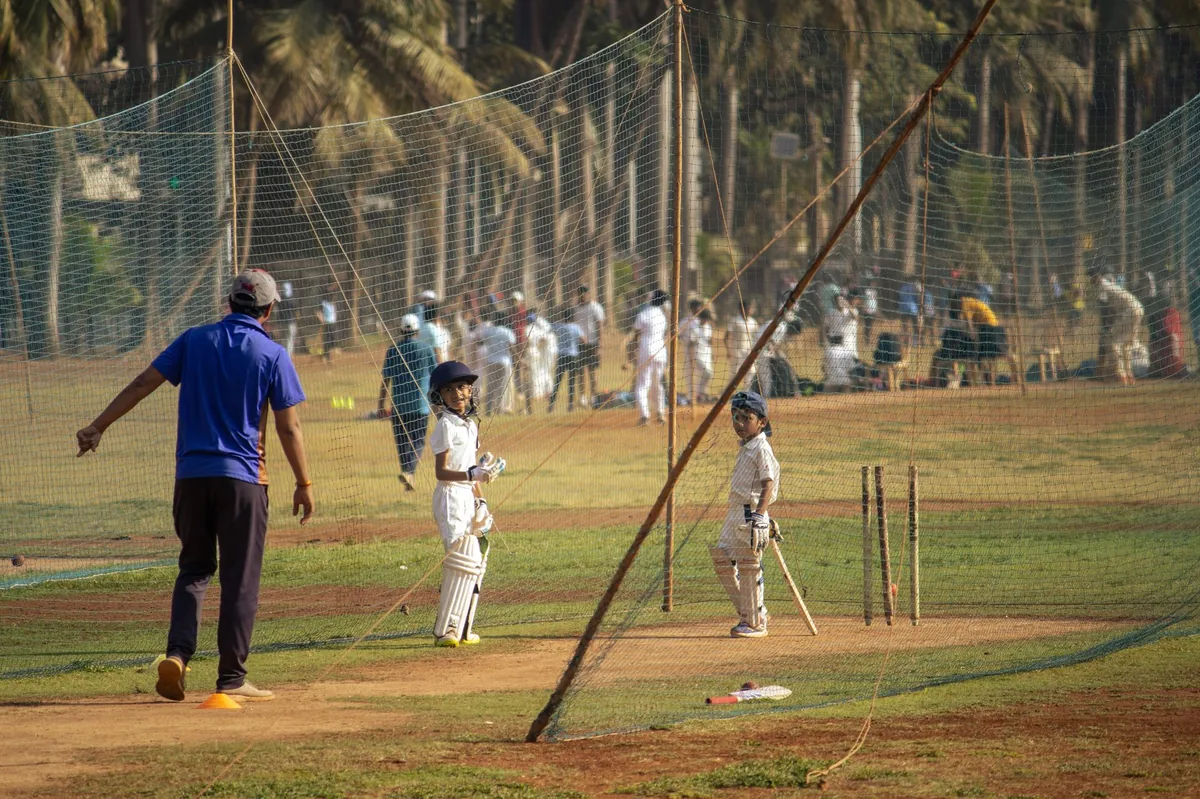
Why Footwork Is the Heartbeat of Modern Wicketkeeping
In limited‑overs cricket and the fast‑paced formats of Indian domestic leagues, a keeper’s ability to move quickly and accurately can change the outcome of a match. Whether it’s a low edge, a swift stumping attempt, or a rapid change of direction after a by‑line, the speed of your footwork determines how cleanly you collect the ball and how confidently you support the bowler.
Unlike batting or bowling, where power often dominates, wicketkeeping is a blend of agility, balance, and anticipation. Mastering footwork not only reduces missed chances but also lessens the physical strain on knees and hips, allowing you to stay sharp throughout a long innings.
Fundamental Principles Behind Faster Footwork
- Low centre of gravity: Stay slightly crouched, knees bent, weight on the balls of your feet.
- Compact steps: Small, rapid steps are faster than long strides and keep you ready for sudden direction changes.
- Balanced stance: Distribute weight evenly between both feet before each movement.
- Visual cueing: Use the bowler’s hand and the ball’s trajectory as the primary trigger for foot movement.
These principles guide every drill you’ll practice below.
Drill 1 – Ladder Shuffle with Catch
What you need
- Agility ladder (or a chalk‑drawn ladder on the ground)
- One cricket ball
- A partner or a rebound net
How to perform
- Stand at the start of the ladder with your feet shoulder‑width apart.
- Shuffle laterally through the ladder, placing one foot in each rung. Keep your hips low and maintain a quick, light step.
- When you reach the middle of the ladder, your partner throws a ball toward the side you are facing. Catch the ball on the move without breaking your foot pattern.
- Immediately reverse direction and continue the shuffle back to the start, repeating the catch at the opposite end.
This drill builds the simultaneous coordination of foot speed and hand‑eye reaction that wicketkeepers need when a ball deviates off the pitch.
Drill 2 – Shadow Stance & Quick Feet
Equipment
- Cones to mark a 5‑meter square
- Timer or stopwatch
Execution
Place four cones in a square. Assume your ready stance at the centre. On a whistle, move to the nearest cone, plant your left foot, then instantly push off to the opposite cone, landing on the right foot. Continue this pattern for 30 seconds, focusing on:
- Landing on the balls of your feet
- Minimal ground contact time
- Keeping the glove hand up, mimicking a real catching position
Record the number of complete cycles. Over weeks, aim to increase the count by 10‑15% – a clear sign of improved foot speed.
Drill 3 – Side‑to‑Side Split‑Step
The split‑step is the secret weapon for a keeper who must react to edges on either side of the stumps.
Setup
- Mark a line 2 meters either side of the stumps.
- Use a tennis ball or a soft cricket ball for safety.
Steps
- Stand in your normal wicketkeeping position.
- When a coach or partner calls “left” or “right”, perform a split‑step: push off both feet, land on the foot opposite the called direction, and immediately move laterally.
- After reaching the line, simulate a catch, then return to the centre.
Repeat 20‑30 times, alternating directions. The drill trains the reflex to split‑step at the exact moment the ball is released, cutting reaction time dramatically.
Drill 4 – Short‑Long Movement Drill
Wicketkeepers often need to cover short, quick edges and then sprint to a longer ball that rolls past the stumps. This drill mimics that dual demand.
Materials
- Two markers: one 1 meter from the stumps (short) and another 4 meters away (long).
- A ball and a partner who can roll or throw it.
Procedure
- Start in the ready stance.
- When the partner releases a ball, you first move to the short marker, collect the ball, then immediately sprint to the long marker and simulate a throw back.
- Focus on quick foot turnover between the two points – the goal is to complete the sequence in under 4 seconds.
Gradually increase the distance or reduce the time limit to keep challenging your speed and endurance.
Drill 5 – Reaction Ball Drill
A reaction ball (a small rubber ball with uneven surfaces) bounces unpredictably, forcing you to adjust foot placement instantly.
How to use it
- Place the ball on the ground a few meters in front of you.
- Drop it; it will hop in random directions.
- Move your feet to stay under the ball, keeping the glove ready to catch.
Perform 5‑minute rounds, focusing on staying low and moving only the foot that aligns with the ball’s bounce. This drill sharpens reflexes and trains the brain‑muscle connection essential for fast edge collection.
Integrating the Drills Into a Weekly Routine
Consistency beats intensity for footwork development. A balanced schedule might look like this:
- Monday & Thursday: Ladder Shuffle with Catch (15 min) + Shadow Stance (10 min)
- Tuesday: Split‑Step practice (20 min) + Reaction Ball (10 min)
- Wednesday: Short‑Long Movement (20 min) followed by light mobility work
- Friday: Review video of the week’s drills, note timing improvements
- Weekend: Match‑simulation sessions or club practice where you apply the footwork in real game situations.
Always finish with a brief stretch for calves, hamstrings and lower back to prevent injuries.
Common Mistakes and How to Fix Them
| Mistake | Why It Happens | Correction |
|---|---|---|
| Landing on heels | Trying to “stay grounded” | Practice the “ball‑of‑foot” landing on every drill; use a mirror or video to self‑check. |
| Over‑striding | Thinking longer steps cover distance faster | Focus on quick, compact steps; count 2‑3 steps per second. |
| Dropping the glove too early | Anticipating the ball without proper foot positioning | Keep the glove up until the foot lands under the ball; drill this with a partner’s delayed throws. |
Tracking Progress – Simple Metrics
Use a notebook or a phone app to log:
- Time taken to complete a ladder round (seconds)
- Number of split‑step cycles in 30 seconds
- Success rate of catches during the short‑long drill (percentage)
Seeing numbers improve week after week is motivating and also helps you identify plateaus that may need a coaching tweak.
When to Seek Professional Coaching
Self‑drilling works well for basics, but advanced footwork often requires:
- Video analysis to spot subtle posture flaws
- Personalised feedback on timing relative to bowlers’ deliveries
- Access to high‑quality nets, weighted balls, and specialized equipment
Quality coaching centres in Lucknow, Kanpur, and Patna offer structured programs, yet the fees can be a barrier for many families.
Scholarship‑Supported Training – A Realistic Pathway
If you’re passionate about honing your wicketkeeping footwork but find regular academy fees out of reach, consider applying for a scholarship. Eligible players from Uttar Pradesh and Bihar can explore the Lucknow Cricket Scholarship, which covers coaching fees, facility access, and even basic equipment.
Want to pursue these drills under expert guidance but cannot afford regular coaching? Eligible players can apply for Lucknow Cricket Scholarship. For more details, call +91 9695934706 and speak with the scholarship coordinator.
Final Thoughts
Fast, precise footwork is not a talent you’re born with; it’s a skill you can develop with disciplined practice. By incorporating the five drills above, tracking your metrics, and gradually increasing intensity, you’ll notice quicker movements, cleaner catches, and a stronger confidence behind the stumps.
Remember, the journey from a school‑yard keeper to a state‑level performer is built on small, consistent steps—just like the footwork drills you practice today. Keep the momentum, stay patient, and when the opportunity arises, leverage scholarship‑supported coaching to accelerate your growth.