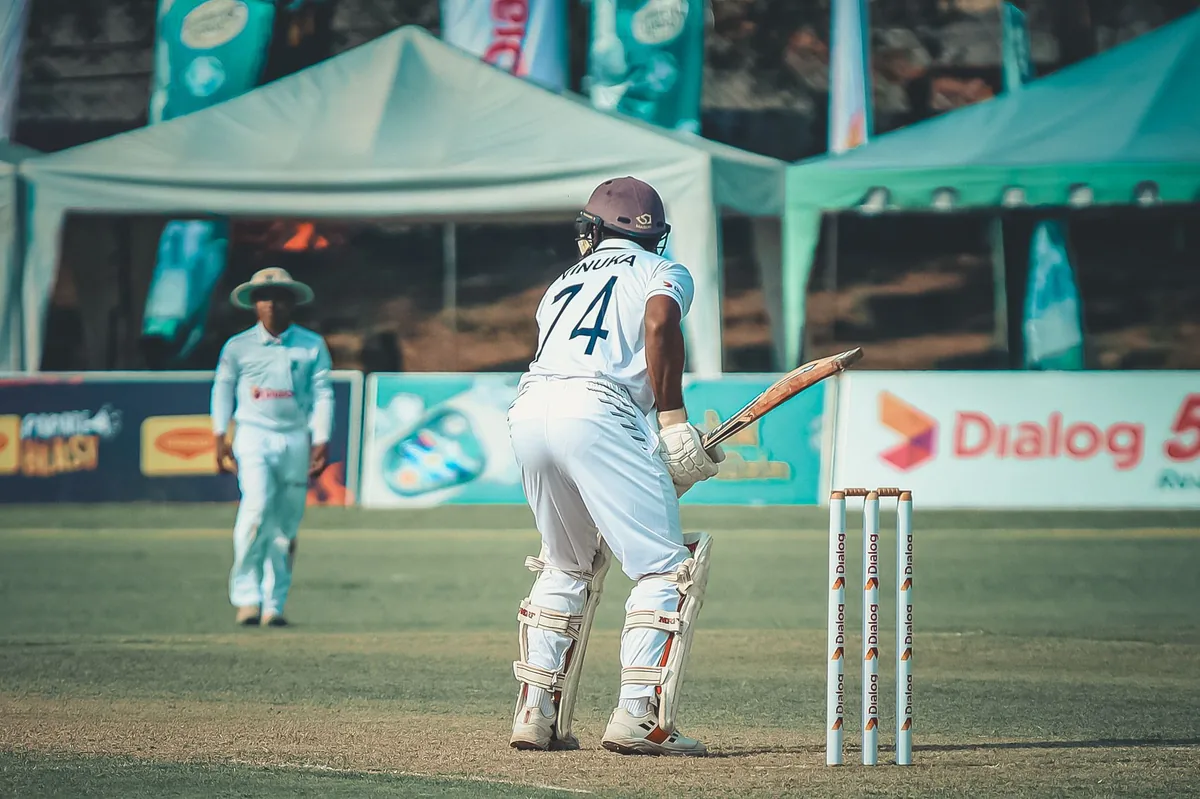
Why Food Matters More in Indian Cricket Conditions
Playing cricket in the sub‑continental climate means battling heat, humidity, and sometimes sudden monsoon showers. Energy, stamina, and quick recovery hinge on the right fuel at the right time. Whether you are a school‑boy in Lucknow, a college player from Patna, or a district‑level all‑rounder in Varanasi, a well‑planned diet can bridge the gap between a good performance and a great one.
Understanding the Indian Climate Impact on Performance
Typical match days in Uttar Pradesh or Bihar see temperatures ranging from 30°C to 38°C with high humidity. This environment accelerates fluid loss, depletes glycogen stores, and raises core body temperature. Consequently, cricketers need:
- Rapidly digestible carbs for immediate energy.
- High‑quality protein to protect muscle fibers.
- Electrolyte‑rich hydration to avoid cramps.
- Light, low‑fat meals to prevent sluggishness.
Keeping these factors in mind helps you tailor meals that work in the heat without breaking the bank.
Pre‑Match Nutrition: Timing and Food Choices
1. The 3‑Hour Window – Main Fuel
Three hours before the toss, aim for a balanced meal that supplies ~60‑70% carbs, 15‑20% protein, and a modest amount of healthy fats. Ideal dishes that are cheap and easy to find in Lucknow or any tier‑2 city include:
- **Poha** with peanuts and a side of curd – provides complex carbs, protein, and probiotics.
- **Whole‑wheat paratha** stuffed with paneer or boiled eggs – delivers carbs, protein, and a little fat.
- **Brown rice pulao** with mixed vegetables and a spoon of dal – a complete, fiber‑rich plate.
Pair the meal with 250‑300 ml of water mixed with a pinch of rock salt and a squeeze of lemon for electrolytes.
2. The 60‑Minute Snack – Quick Energy Boost
One hour before you step onto the field, you need fast‑acting carbs that won’t upset your stomach. Good options are:
- **Banana or mango slices** with a drizzle of honey.
- **Energy bar** made from oats, jaggery, and nuts (homemade is cheaper).
- **A glass of buttermilk** (chaas) with a pinch of roasted cumin powder.
Drink another 150‑200 ml of water or a low‑sugar sports drink to keep the hydration level steady.
During the Match: Staying Hydrated and Light
While you’re batting, bowling, or fielding, aim for 150‑200 ml of fluid every 20 minutes. Simple home‑made electrolyte drinks work well:
- **Coconut water** – natural electrolytes, no added sugar.
- **Lemon‑salt water** – ½ tsp rock salt, juice of half a lemon, 500 ml water.
- **Homemade jal‑jeera water** – a pinch of roasted cumin, black salt, and a dash of ginger juice.
Avoid heavy, fried snacks during the break; they slow digestion and increase the risk of cramps.
Post‑Match Recovery: Replenish, Repair, Refuel
1. Within 30 Minutes – The Golden Window
After the final over, muscles are glycogen‑depleted and micro‑tears need protein. The ideal recovery snack contains a 3:1 carb‑to‑protein ratio:
- **Chocolate milk** (200 ml) – cheap, tasty, and provides both carbs and whey protein.
- **Sprouted moong salad** with a drizzle of olive oil and lemon.
- **Peanut butter sandwich** on whole‑grain bread.
Accompany the snack with 300‑400 ml of water or the same lemon‑salt drink used pre‑match.
2. The Next 2‑4 Hours – Full‑Meal Recovery
Follow the snack with a wholesome meal that restores electrolytes and supports muscle repair:
- **Grilled chicken or paneer tikka** with a side of quinoa or millet rotis.
- **Dal‑chawal** (lentils with brown rice) plus a bowl of mixed vegetable raita.
- **Fish curry** (if affordable) with steamed rice and a green salad.
Include a fruit serving—such as papaya or orange—to supply vitamin C, which aids tissue repair.
Sample Affordable Meal Plan for a Match Day
| Time | Meal | Why It Works |
|---|---|---|
| 03:00 PM (3 hrs before) | Poha with peanuts + 250 ml lemon‑salt water | Complex carbs + protein; electrolytes |
| 04:30 PM (1 hr before) | Banana + 150 ml buttermilk | Fast carbs; probiotic hydration |
| During innings | Coconut water every 20 min | Natural electrolytes |
| 06:45 PM (within 30 min after) | Chocolate milk + sprouted moong salad | 3:1 carb‑protein; quick recovery |
| 08:00 PM (full meal) | Grilled paneer tikka, brown rice, mixed veg raita, orange slices | Protein, carbs, fats, vitamins, minerals |
Budget‑Friendly Tips for Players in Lucknow, UP, and Bihar
- Buy seasonal fruits (mangoes, bananas, guava) from local markets; they are cheaper and nutritionally dense.
- Use dal, rice, and whole‑wheat flour as staple bases – they are inexpensive and provide sustained energy.
- Prepare homemade energy bars using rolled oats, jaggery, and peanuts instead of costly commercial versions.
- Collect rainwater (filtered) for cooking and mix it with a pinch of rock salt for an economical electrolyte drink.
- Join community kitchens or school canteens that often serve balanced meals at subsidised rates.
Common Mistakes and How to Avoid Them
- Skipping the pre‑match carb load: Leads to early fatigue, especially in humid conditions.
- Relying on fried snacks for energy: High fat slows digestion and increases stomach discomfort.
- Neglecting post‑match protein: Slows muscle repair and prolongs soreness.
- Drinking only plain water: Misses essential electrolytes, causing cramping.
- Over‑hydrating right before the game: Can cause a feeling of heaviness; sip gradually instead.
Quick Checklist for Every Match Day
- Three‑hour meal: carb‑rich, moderate protein, low fat.
- One‑hour snack: fast carbs + light protein.
- Hydration: 250 ml water + electrolytes pre‑match; 150 ml every 20 min during.
- Post‑match snack: 3:1 carb‑protein within 30 min.
- Full recovery meal: protein, carbs, veg, fruit within 2‑4 hrs.
When Nutrition Meets Financial Reality
Even the most carefully designed diet can feel out of reach when families struggle to afford quality coaching, proper accommodation, or even a balanced grocery bill. Consistent meals, supervised fitness sessions, and recovery support often require resources that many aspiring cricketers in Lucknow, Kanpur, or rural Bihar simply don’t have.
If you find yourself in this situation, consider exploring the Lucknow Cricket Scholarship. The program offers assistance with coaching fees, hostel boarding, and even a modest food allowance, easing the financial pressure while you focus on training and nutrition.
Take the Next Step
Ready to apply the nutrition plan but worried about costs for coaching, gear, or travel? Eligible players can apply for the Lucknow Cricket Scholarship, which may cover training fees and provide a structured environment for holistic development. For more details, call +91 9695934706 and ask about the application process.
Final Thoughts
Eating right before and after a cricket match in Indian conditions isn’t about expensive superfoods; it’s about timing, balance, and using locally available, affordable ingredients. Pair this diet with regular fitness work, adequate sleep, and a supportive coaching environment, and you’ll notice better stamina on the field and faster recovery off it. And if finances ever become a hurdle, remember that scholarship avenues exist to keep your cricketing dreams alive.