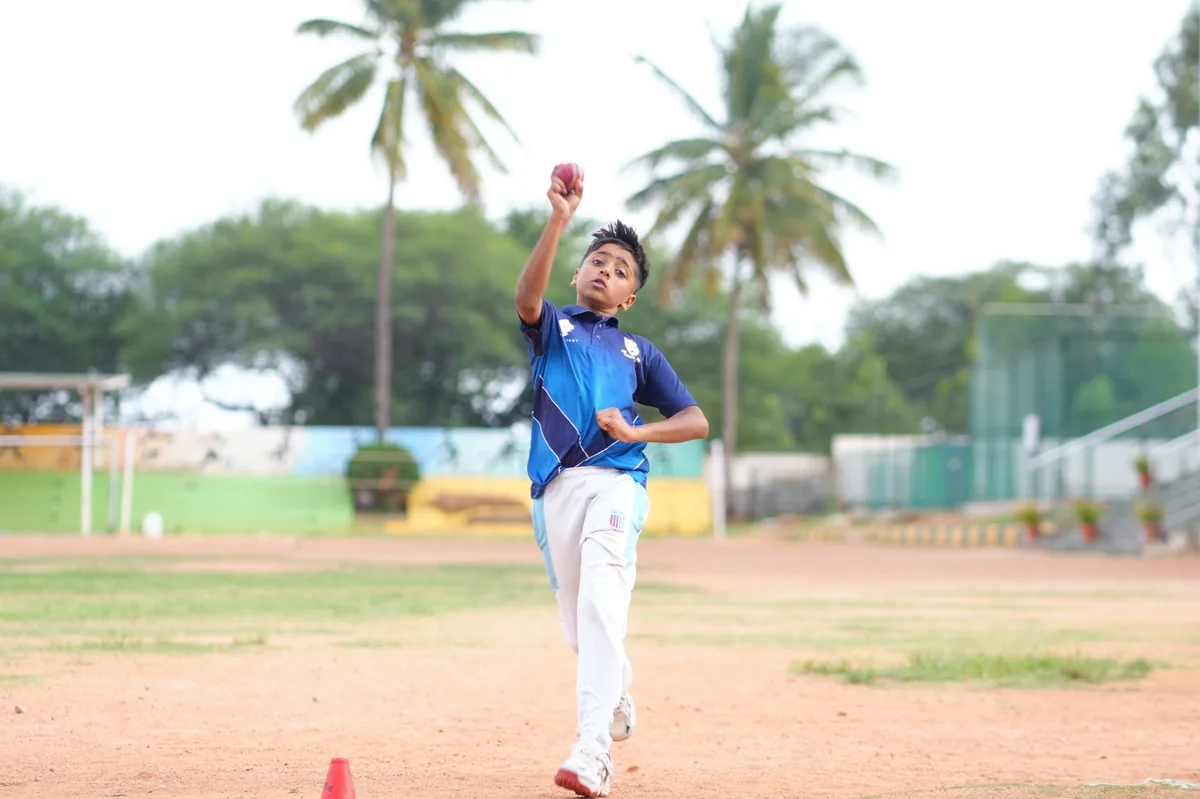
Why Food Matters on a Marathon Cricket Tournament
When a tournament stretches over six to eight hours, a cricketer’s body works like a high‑performance engine. Endurance, focus, and rapid recovery all depend on the fuel you provide. In the heat of Lucknow or the humidity of Patna, the wrong snack can cause a crash, while the right combination keeps you alert for every over, every run‑out, and every fielding sprint.
Key Energy Sources for a Full Day on the Pitch
Cricket is a mixed‑modal sport – you need carbohydrates for quick energy, protein for muscle repair, and healthy fats for sustained stamina. Micronutrients like iron, magnesium, and electrolytes protect against fatigue and cramping, especially in Indian summer conditions.
Carbohydrates: The Primary Powerhouse
- Complex carbs (whole‑grain roti, brown rice, oats) release glucose slowly, preventing the dreaded mid‑day slump.
- Simple carbs (fruits, honey, jaggery) are useful right before a batting session when you need a quick burst.
Protein: Building and Maintaining Muscle
- Lean options – paneer, boiled eggs, low‑fat curd, lentils – are affordable and easy to pack.
- For vegans, soy nuggets, roasted chickpeas, and quinoa are excellent alternatives.
Fats & Electrolytes: The Unsung Heroes
- Healthy fats from peanuts, almonds, or a spoonful of ghee keep you satiated for longer.
- Electrolyte balance can be maintained with homemade lemon‑salt‑jaggery water or a pinch of roasted cumin powder in your drink.
Meal Timing Blueprint for a Typical Tournament Day
Timing is as crucial as the food itself. Below is a practical schedule that works for school‑age players and budding state‑level cricketers alike.
Pre‑Match (2–3 Hours Before First Session)
- Breakfast: 1‑2 boiled eggs or a bowl of sprouted moong dal, 1‑2 whole‑grain rotis, and a small banana.
- Drink: 300‑ml water mixed with a pinch of sea salt and a teaspoon of honey.
During the Match (Every 60‑90 Minutes)
- Snack: Handful of roasted peanuts or a small energy bar made from dates, oats, and nuts.
- Fruit slice (apple or orange) for quick carbs and vitamin C.
- Hydration: 150‑200 ml of water or coconut water; add a pinch of black salt for electrolytes.
Half‑Time / Break (15‑20 Minutes)
- Quick protein boost: 50‑g paneer cubes or a boiled egg.
- Complex carb bite: 1‑2 small whole‑grain crackers or a mini poha packet.
Post‑Match Recovery (Within 30 Minutes)
- Recovery shake: Blend low‑fat curd, a spoon of peanut butter, a banana, and a dash of jaggery.
- Or, a simple meal of dal, brown rice, and a side of mixed veg.
- Re‑hydrate with 400‑ml water plus lemon‑salt‑jaggery solution.
Affordable Food Hacks for Families on a Tight Budget
Many aspiring cricketers in Uttar Pradesh and Bihar worry about the cost of a ‘proper’ diet. Here are low‑cost tricks that keep nutrition high without breaking the bank.
- Bulk buying: Purchase rice, lentils, and oats in 25‑kg sacks; the per‑kilogram price drops dramatically.
- Seasonal produce: Use locally grown mangoes, guavas, and papaya for natural sugars and vitamins.
- Home‑made energy bars: Blend rolled oats, roasted gram flour, jaggery, and a dash of cardamom. Cut into squares and store for a week.
- Community kitchens: Some clubs in Lucknow run shared cooking sessions where families contribute a small amount for a nutritious group meal.
Hydration – The Non‑Negotiable Part of Nutrition
Even a well‑balanced plate loses its effect if you’re dehydrated. Indian summers can push body temperature above 35 °C, increasing sweat loss.
- Start every day with a glass of warm water and a squeeze of lemon.
- Carry a reusable steel bottle; aim for 2‑2.5 litres of fluid over a full match day.
- When plain water feels boring, add a pinch of roasted cumin powder, black pepper, and a teaspoon of jaggery – a traditional Indian electrolyte mix.
From the Pitch to the Locker Room: Recovery Nutrition
Recovery isn’t just about the next day’s practice; it’s about limiting muscle soreness and replenishing glycogen stores for the next match. A simple post‑match routine can be followed even in modest accommodations.
- Protein‑carb combo: 1 cup of low‑fat curd with a spoonful of honey and a few soaked almonds.
- Anti‑inflammatory foods: Turmeric‑spiced lentil soup or a glass of buttermilk with a pinch of turmeric.
- Sleep hygiene: Aim for 7‑8 hours of uninterrupted sleep; a cool, dark room improves muscle repair.
When Financial Barriers Make Consistent Nutrition Hard
Even with clever budgeting, many families in Lucknow, Kanpur, and smaller towns struggle to provide daily meals, supervised fitness sessions, or proper accommodation during multi‑day tournaments. The cost of quality coaching, travel, and nutrition can add up quickly, limiting a talented player’s growth.
That’s where targeted scholarship programmes step in. **Eligibility criteria typically include demonstrated cricket skill, academic standing, and a genuine need for financial assistance.** These scholarships can cover:
- Daily nutritious meals during training camps and tournaments.
- Access to certified fitness trainers and physiotherapists.
- Accommodation for out‑station matches.
- Coaching fees at reputable academies in Lucknow or nearby districts.
One such initiative is the Lucknow Cricket Scholarship. It is designed to bridge the gap for promising players from Uttar Pradesh and Bihar who lack the resources to sustain a high‑level cricket routine.
How to Explore Scholarship Support
Start by gathering the following documents:
- Recent scorecards or tournament certificates that highlight your performance.
- School or college report card (to show academic eligibility).
- A simple statement of financial need – a parent’s income proof or a declaration of hardship.
- Two references – one from a coach and one from a school teacher.
Submit these to the scholarship committee through the official portal or the local cricket association office. Remember, rules and deadlines can change, so always verify the latest requirements with the organizing body.
Practical Checklist for a Tournament Day
| Time | What to Eat/Drink | Why |
|---|---|---|
| 2‑3 hrs before | Whole‑grain roti + boiled egg + banana | Steady carbs + protein for early energy |
| Every 60 mins | Roasted peanuts + fruit slice + water | Maintain blood sugar, electrolytes |
| Half‑time | Paneer cubes + poha bite | Protein & complex carbs for endurance |
| Post‑match (30 mins) | Curd‑peanut‑banana shake + dal‑rice‑veg | Repair muscles, replenish glycogen |
Final Thoughts: Eat Smart, Play Smart
Nutrition is the invisible coach that works behind every boundary, every wicket, and every sprint between the wickets. By planning affordable meals, timing snacks wisely, and staying hydrated, a cricketer can sustain high performance throughout even the longest tournament days.
Want to follow this nutrition plan but find the cost of regular coaching, travel, and proper meals overwhelming? Eligible players can apply for the Lucknow Cricket Scholarship. Call +91 9695934706 for more information and take the first step toward a balanced, competitive cricket journey.