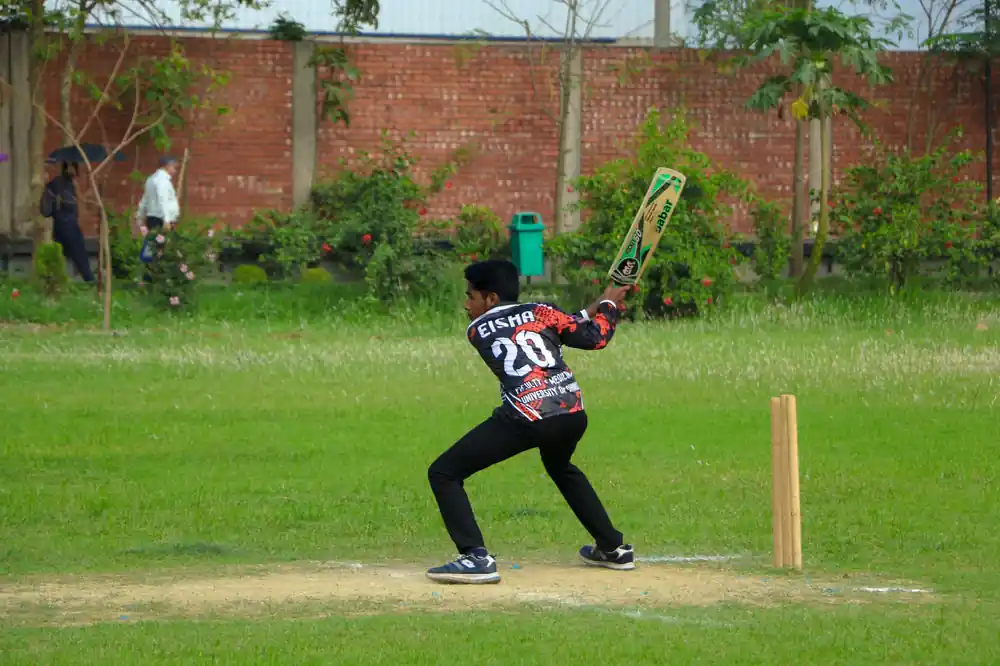
Why a Proper Warm‑Up Is the First Investment You Can Make
For many parents in Lucknow and across Uttar Pradesh, the biggest fear is watching their child miss games because of a preventable injury. A rushed warm‑up or none at all often leads to muscle strains, shin splints, or shoulder problems that require physiotherapy – an expense that can quickly add up to several thousand rupees per season. Moreover, a sub‑par warm‑up can sap confidence, making a promising batsman hesitate at the crease or a fast bowler lose rhythm before the first over.
Investing just 15‑20 minutes in a structured warm‑up each day can dramatically cut those costs, keep performance levels high, and give parents peace of mind that their child is training safely.
Common Risks When Warm‑Up Is Ignored
Skipping the warm‑up isn’t just a minor oversight; it creates a cascade of risks that affect both short‑term play and long‑term development:
- Muscle strains and tears – Cold muscles are less elastic, making sudden bursts of speed hazardous.
- Joint sprains – Knees and ankles bear the brunt of sudden direction changes without proper lubrication.
- Reduced reaction time – The nervous system needs activation to fire quickly, especially for fielders and wicket‑keepers.
- Lowered confidence – A player who feels stiff or sore may hold back, limiting skill expression.
All of these can translate into missed selection opportunities at district or state level, where selectors notice consistency and fitness as much as raw talent.
Components of an Effective Warm‑Up Routine
A well‑rounded warm‑up blends three core components: general aerobic activation, dynamic mobility, and sport‑specific drills. Each serves a distinct purpose and together they prepare the body and mind for the demands of cricket.
1. General Aerobic Activation (3‑5 minutes)
Light jogging, skipping rope, or a brisk walk around the ground raises core temperature and improves blood flow. For players without a running track, a simple “around the boundary” jog works perfectly.
2. Dynamic Mobility (5‑7 minutes)
Dynamic stretches move joints through their full range of motion, unlike static stretches which are best saved for cool‑down. Examples include:
- Leg swings (front‑to‑back and side‑to‑side)
- Arm circles and cross‑body arm swings
- Hip openers – walking lunges with a twist
- Torso rotations – standing trunk twists
3. Cricket‑Specific Drills (7‑10 minutes)
These drills mimic the actions you’ll perform on the field. They bridge the gap between general activation and match‑ready intensity.
- Batting drill: Shadow‑batting 10 overs of front‑foot drives, focusing on foot placement and balance.
- Bowling drill: Run‑up simulations without the ball, ending with a full delivery motion to feel the rhythm.
- Fielding drill: Quick‑feet ladder work followed by short‑range catching on the move.
Step‑by‑Step Warm‑Up Before Practice
Practice sessions often start early, and time is at a premium. The following routine fits into a 15‑minute window and requires no extra equipment.
- 0‑2 min – Light jog: Run two laps around the practice ground at an easy pace.
- 2‑5 min – Dynamic stretches: Perform 10 leg swings per leg, 10 arm circles each direction, and 8 walking lunges with a torso twist.
- 5‑9 min – Skill‑specific activation:
- Batters: 5 minutes of shadow‑batting, focusing on back‑foot defence and front‑foot drive.
- Bowls: 5 minutes of run‑up practice ending with a full delivery, no ball needed.
- 9‑12 min – Quick‑feet drill: Set up four cones in a square (5 m side) and shuffle laterally for 30 seconds, repeat three times.
- 12‑15 min – Reaction catching: Partner throws a soft ball from 5 m away; focus on catching with soft hands and quick recovery.
Finish with a brief mental cue: “Stay relaxed, stay focused, stay ready.” This mental cue primes concentration, a factor often overlooked by young players.
Step‑by‑Step Warm‑Up Before a Match
Match day warm‑ups are slightly longer to ensure peak performance for the 45‑minute innings or 20‑over spell. Allocate 20‑25 minutes as follows:
- 0‑4 min – Light jog + high‑knees: Two laps plus 30 seconds of high‑knees to raise heart rate.
- 4‑9 min – Dynamic mobility: Include hip circles, ankle pumps, and trunk twists. Perform each movement for 30 seconds.
- 9‑14 min – Sport‑specific drills:
- Batters: 5 minutes of short‑run shadow strokes, ending with a full swing.
- Bowls: 5 minutes of full run‑up with a ball, focusing on landing balance.
- Fielders: 5 minutes of short‑run sprints followed by high‑catch practice.
- 14‑18 min – Agility ladder or cone drill: 2‑minute quick‑feet ladder, then 2‑minute 5‑m shuttle runs.
- 18‑22 min – Targeted joint activation: 10 seconds of wrist rolls, elbow circles, and shoulder shrugs.
- 22‑25 min – Mental focus: Deep breathing for 30 seconds, visualise a successful innings or spell, and repeat a personal mantra.
By the time the team lines up, the player’s muscles are warm, joints are lubricated, and the mind is locked in.
Adapting the Routine for Different Age Groups
While the core principles stay the same, the volume and intensity should reflect the player’s age and physical development.
- U‑13 players: Keep each segment under 30 seconds, focus on fun movement patterns, and avoid heavy plyometrics.
- U‑16 players: Introduce moderate plyometric hops and longer dynamic stretches (10‑12 seconds per movement).
- Senior/academy players: Add sport‑specific power drills such as medicine‑ball throws or short‑sprint accelerations, always under the guidance of a qualified coach.
Parents can supervise the basic movements at home, ensuring consistency even when formal coaching sessions are spaced out due to budget constraints.
Budget‑Friendly Tips for Parents
Professional warm‑up programs sometimes come with a price tag – hiring a fitness trainer, buying fancy equipment, or paying for specialised physiotherapy. Here are low‑cost alternatives that keep the routine effective:
- Use a **skipping rope** (under ₹200) for the aerobic phase.
- Mark out cones with water bottles or old cricket caps for agility drills.
- Download free video tutorials from reputable cricket academies on YouTube; many Indian coaches post detailed warm‑up sessions.
- Schedule a weekly “family warm‑up” on the backyard grass; children learn by watching parents model the movements.
These approaches keep the cost under ₹500 per month while delivering the same physiological benefits.
How Structured Support Can Lighten the Financial Load
Even with a frugal warm‑up plan, many families still face the larger expense of regular coaching, travel to district trials, and quality equipment. For committed players who show promise, a scholarship can bridge that gap.
Eligible players can apply for the Lucknow Cricket Scholarship, which offers subsidised coaching fees, access to well‑maintained practice nets, and mentorship from former state players. The scholarship does not guarantee selection, but it does provide a structured pathway that many successful Uttar Pradesh cricketers have used to progress from school grounds to district teams.
About Lucknow Cricket Scholarship
The Lucknow Cricket Scholarship is aimed at talented youngsters from Lucknow, surrounding districts of Uttar Pradesh, and even bordering regions of Bihar. Key benefits include:
- Reduced coaching fees (up to 70 % off standard rates).
- Access to indoor nets during monsoon season.
- Periodic fitness assessments and personalised warm‑up plans.
- Guidance on tournament registration and travel logistics.
Eligibility typically requires:
- Age between 12‑19 years.
- Proof of residence in Lucknow or adjoining districts.
- Recent performance records (school/club scores, video clips).
- A recommendation from a certified coach or school physical‑education teacher.
Applicants must submit a simple form, recent photographs, and a short statement of cricketing goals. Since criteria can evolve, always verify the latest requirements on the official scholarship portal or by contacting the organizers directly.
Take the First Step Today
If your child is eager to improve but you’re worried about coaching fees, consider the scholarship as a practical avenue to receive professional guidance without breaking the bank. Call +91 9695934706 for more information on eligibility, application deadlines, and how to start a tailored warm‑up program under qualified supervision.
Remember, a consistent warm‑up is the foundation of every great innings and spell. Pair that habit with the right support system, and your young cricketer will be on a clear path toward district selection, state representation, and perhaps one day, the national stage.