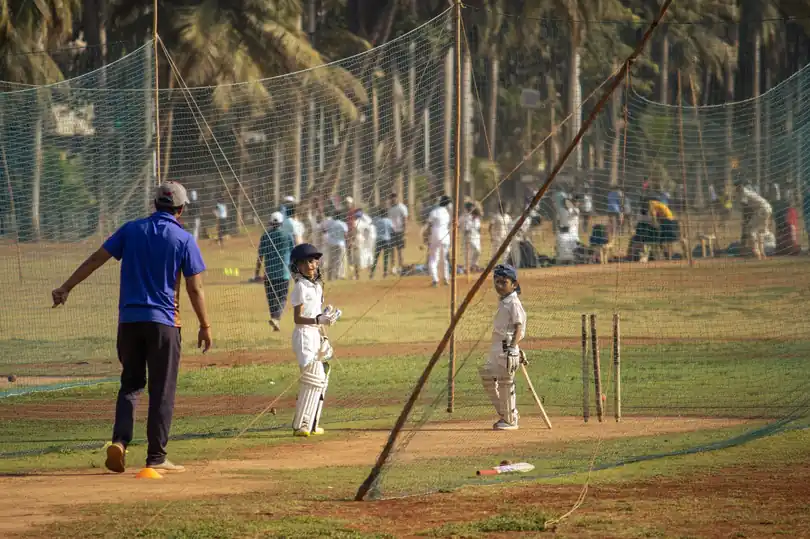
Why Speed Between the Wickets Matters
In limited‑overs formats a single run can be the difference between a win and a loss. Running faster between the wickets not only adds valuable runs but also puts pressure on the fielding side, creates extra scoring options and builds confidence in the batting partnership. Coaches in Uttar Pradesh and Bihar constantly stress that a good batsman must be as quick with his feet as he is with his bat.
Understanding the Sprint Physiology for Cricketers
Unlike a 100‑metre sprinter who accelerates for the full distance, a cricketer typically needs a burst of acceleration for 10‑20 metres, followed by a brief phase of top‑speed maintenance. The key energy systems are:
- ATP‑CP system – fuels the first 5‑7 seconds of a sprint.
- Anaerobic glycolysis – kicks in for the next 10‑15 seconds, useful when you have to chase a quick single.
Training these systems improves both the explosive start and the ability to sustain speed for the short distance you actually cover on the pitch.
Core Components of an Effective Sprint Programme
1. Acceleration Drills
Acceleration is the most critical phase for a batsman. Focus on drills that teach powerful drive from a static or low‑stance position.
- 3‑Point Starts – start on two feet and one hand, explode forward for 10‑15 m.
- Wall Drives – stand a few feet from a wall, push off with one foot while the opposite arm drives forward.
- Resisted Sprints – use a light sled or resistance band (5‑10 % of body weight) for 10‑20 m bursts.
2. Max‑Velocity Work
Even though you rarely hit top speed on the field, training it improves overall stride length and turnover.
- Flying 30‑m Sprints – 20 m build‑up, then full speed for 30 m.
- Overspeed Training – sprint with a slight downhill gradient (5‑6°) to encourage faster leg turnover.
3. Technique Refinement
Good sprint mechanics reduce wasted energy. Keep these cues in mind:
- High knee lift (≈ 90°) during the drive phase.
- Arm swing in opposition to the opposite leg, elbows at ~90°.
- Stay relaxed – tight shoulders and clenched fists slow you down.
4. Strength & Power Development
Powerful legs translate directly to faster starts. Include two sessions per week of:
- Squats (back or front) – 3 sets of 5‑8 reps at 80‑85 % 1RM.
- Deadlifts – 3 sets of 5 reps to develop posterior chain strength.
- Box Jumps – 4 sets of 6‑8 jumps, focusing on minimal ground contact time.
- Single‑Leg Romanian Deadlifts – improve balance and unilateral power, essential for the staggered footwork in running between wickets.
Sample Weekly Sprint Training Plan (U‑16 to U‑19)
Adjust volume based on school/college commitments. The goal is 3 sprint sessions plus 2 strength days per week.
| Day | Session Focus | Details |
|---|---|---|
| Monday | Acceleration + Technique | Warm‑up 10 min, 4 × 3‑point starts (15 m), 4 × resisted sprints (10 m), 3 × technique drills (high‑knee walk, A‑skip) – cool‑down 5 min. |
| Tuesday | Strength – Lower Body | Back squats, deadlifts, lunges – 3 sets each, core finisher (plank 3 × 60 s). |
| Wednesday | Active Recovery / Skill | Light jog, mobility routine, fielding drills – focus on quick singles. |
| Thursday | Max‑Velocity + Overspeed | Flying 30 m (5 × 30 m), downhill sprints (4 × 20 m), full‑speed 20 m repeats (6 × 20 m) with 2 min rest. |
| Friday | Strength – Explosive | Box jumps, single‑leg RDL, medicine‑ball throws – 4 sets each, finish with sprint‑specific mobility. |
| Saturday | Match‑Simulation | Net session or intra‑squad game, deliberately create run‑between‑the‑wicket scenarios; record time for 20 m dash. |
| Sunday | Rest | Complete recovery – hydration, nutrition, sleep 8‑9 h. |
Tracking Progress – Simple Metrics That Matter
Use a stopwatch or a phone app to measure:
- 0‑10 m split (acceleration).
- 10‑20 m split (transition to top speed).
- Full 20 m sprint time (overall speed).
Record these numbers every two weeks. A 0.05‑second improvement may look small but can translate to a half‑run saved during a tight chase.
Common Mistakes and How to Avoid Them
- Skipping the Warm‑Up: Cold muscles increase injury risk and blunt power output. Always include dynamic drills like leg swings and high‑knees.
- Over‑training: Sprinting is high‑intensity; more than 3 sessions a week can lead to hamstring strains. Follow the weekly plan and respect rest days.
- Neglecting Strength: Pure speed work without strength gains plateaus quickly. Incorporate at least two lower‑body strength days.
- Ignoring Technique: A sloppy arm swing or low knee drive wastes energy. Use a mirror or record video to self‑correct.
Nutrition, Recovery and Injury Prevention
Fast running demands fuel and repair:
- Carbohydrate Timing: Eat a light carb‑rich snack (banana, oats) 30‑45 minutes before sprint work.
- Protein for Repair: 20‑30 g of high‑quality protein within an hour post‑session (e.g., paneer, lentils, whey).
- Hydration: Dehydration reduces muscle power; aim for 2‑3 L of water daily, more on hot Lucknow afternoons.
- Sleep: 8‑9 hours supports hormone balance and neuromuscular recovery.
Include dynamic stretching after each sprint session and static stretching before bed to keep hamstrings and hip flexors supple.
Integrating Sprint Work into Your Regular Cricket Practice
Coaches often worry that sprint drills will take time away from net practice. The solution is to blend them:
- Start every net session with a 5‑minute sprint warm‑up (e.g., 3 × 10 m accelerations).
- During fielding drills, add a “run‑between‑the‑wickets” challenge where the batsman must complete a 20 m sprint before a throw arrives.
- Use the last 10 minutes of a practice for a focused sprint circuit – this caps the session without extending overall time.
By embedding speed work, you maintain skill development while steadily improving your run‑between‑the‑wickets time.
Frequently Asked Questions
How many meters should a batsman aim to cover in a single sprint?
Most match situations require 10‑20 m. Training up to 30 m ensures you have a speed reserve for longer sprints when chasing a quick double.
Do I need a track to do these drills?
A flat, firm surface – a school ground, cricket outfield, or a municipal track – works fine. Avoid uneven or overly soft ground that can increase injury risk.
Can sprint training help my bowling speed?
Yes. The same lower‑body power and hip extension used for sprinting also translate to faster ball release for fast bowlers.
What if I cannot afford a personal trainer or a gym membership?
Quality coaching, proper facilities, and regular practice can be costly, especially for families in Lucknow and surrounding districts. Eligible players can explore the Lucknow Cricket Scholarship, which supports training fees, equipment and access to elite sprint coaches. Call +91 9695934706 for details and see if you qualify.
Take the Next Step Towards Faster Running Between the Wickets
Improving sprint speed is a blend of science, consistency and smart recovery. Implement the drills, monitor your times, and stay disciplined with strength work. If financial constraints are holding you back from accessing top‑tier coaching or facilities, remember that the Lucknow Cricket Scholarship is designed to bridge that gap for talented youngsters. Call now to learn how you can apply and keep your cricket dreams moving forward.