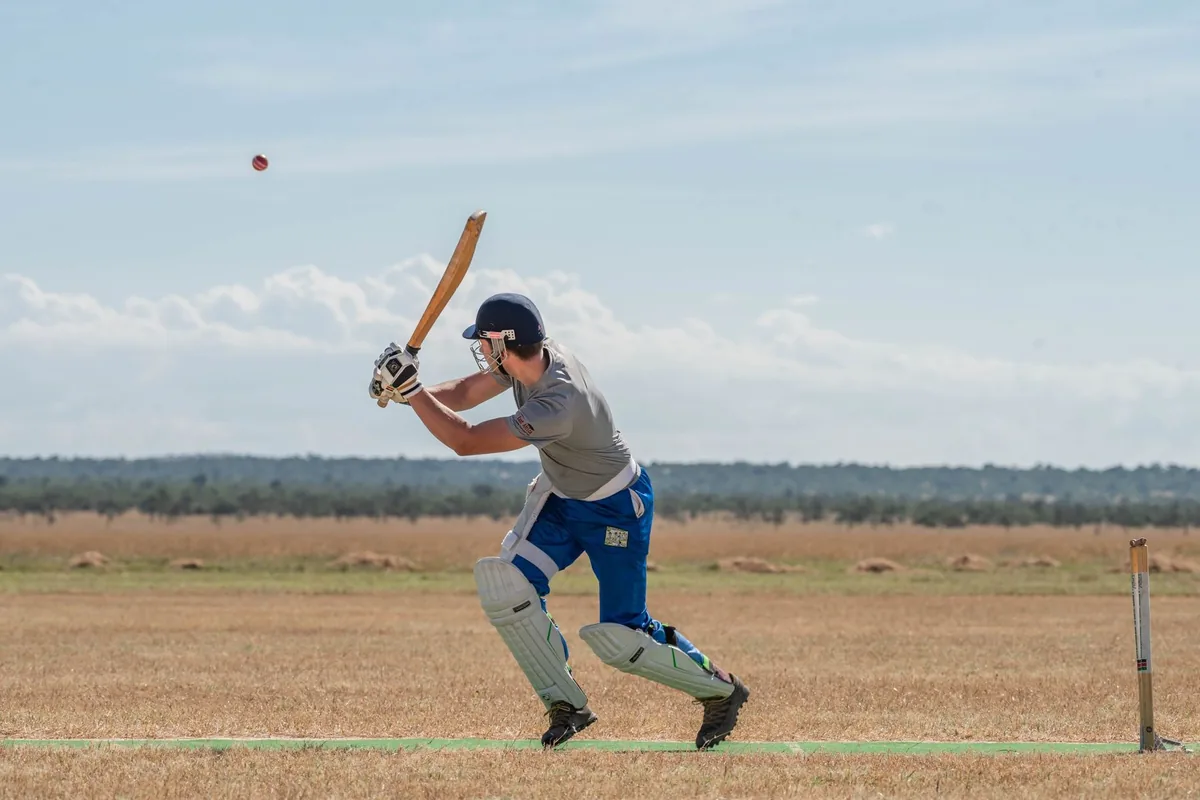
Why Sleep and Recovery Matter for Young Cricketers
For a 13‑ to 18‑year‑old cricketer, the body is still growing, hormones are fluctuating, and skill acquisition happens at lightning speed. Quality sleep provides the hormonal balance, muscle repair, and neural consolidation that translate into sharper reflexes, better hand‑eye coordination, and fewer injuries on the field.
Research from Indian sports institutes shows that adolescents who get 8‑10 hours of uninterrupted sleep perform 12‑15% better in sprint and agility tests – key metrics for fast bowlers and fielders alike. Recovery isn’t just about catching a nap; it’s a systematic routine that starts the moment the last ball is bowled.
Building an Affordable Sleep Routine
1. Set a Consistent Bedtime and Wake‑Time
- Choose a bedtime that allows 8‑10 hours of sleep before school or training starts.
- Keep the wake‑time the same on weekends to avoid ‘social jet‑lag’.
Consistency trains the body’s internal clock, making it easier to fall asleep without expensive sleep‑aid gadgets.
2. Create a Low‑Cost Sleep‑Friendly Environment
- Darkness: Use a simple blackout curtain or a cheap eye mask (₹150‑₹200) to block street lights common in Lucknow neighborhoods.
- Cool Temperature: A fan set to low speed works well in Indian summers; keep the room around 22‑24°C.
- Quiet: Earplugs made from foam (available at local pharmacies) can mute traffic noise without breaking the bank.
3. Pre‑Sleep Rituals That Cost Nothing
- Turn off smartphones and tablets at least 30 minutes before bed. Use a traditional alarm clock instead of a phone.
- Read a short chapter from a school textbook or a cricket biography – the dim light helps the eyes relax.
- Practice 5‑minute breathing or gentle yoga stretches (e.g., child’s pose, cat‑cow) to lower cortisol levels.
4. Nutrition Tips for Better Sleep
- Include a small snack with complex carbs and protein, such as a banana with a spoon of peanut butter, about an hour before bedtime.
- Avoid caffeine after 2 pm – chai, coffee, and energy drinks can delay sleep onset.
Day‑time Recovery Practices That Won’t Break the Bank
Active Recovery Sessions
Instead of costly physiotherapy, incorporate low‑intensity activities that promote blood flow:
- Light jogging or brisk walking for 10‑15 minutes after a hard training session.
- Dynamic stretches focusing on hamstrings, calves, shoulders, and lower back.
Cold‑Water Therapy Using Household Items
Fill a large bucket with cold water and add a few ice cubes (or frozen water bottles) for a 5‑minute foot soak after long bowling spells. This simple method reduces swelling and mimics the effect of professional cold‑packs.
Massage and Self‑Myofascial Release
Use a tennis ball or a cheap foam roller (₹300‑₹400) to roll out tight muscles. Spend 2‑3 minutes on each major group – calves, quadriceps, and upper back.
Hydration and Electrolyte Balance
Plain water is free; add a pinch of salt and a squeeze of lemon to create a homemade oral rehydration solution after intense practice in hot Lucknow weather.
Sample Weekly Sleep & Recovery Schedule
Below is a practical routine that can be adapted to school timetables and training calendars. All activities are designed to be affordable and easy to follow.
- Monday – Friday
- 20:00 – Light snack (banana + peanut butter)
- 20:30 – Phone‑free wind‑down (reading or breathing)
- 21:00 – Lights out, sleep 22:00‑06:00
- 06:30 – 10‑minute dynamic warm‑up before school
- After school practice (if any) – 15‑minute active recovery walk
- Saturday
- 07:00 – Longer sleep (09:00 wake‑up)
- 09:30 – 30‑minute skill session (batting or bowling drills)
- 11:00 – Cold‑water foot soak, followed by 10‑minute foam‑roller routine
- Evening – Family dinner, no screens after 20:00, bedtime 22:30
- Sunday
- Rest day – focus on 8‑10 hours of sleep, light stretching, and a fun outdoor activity like a casual game of gully cricket.
Avoiding Common Sleep & Recovery Mistakes
Screen Overload
Blue light from phones suppresses melatonin. If a device must be used, enable a blue‑light filter or use “night mode”.
Skipping Warm‑up or Cool‑down
Skipping a 5‑minute cool‑down after a fast‑bowling session can lead to delayed‑onset muscle soreness, which disrupts sleep.
Late‑Night Snacks High in Sugar
Sweet treats spike insulin and can cause restless sleep. Opt for protein‑rich snacks instead.
Irregular Training Hours
Training at 22:00 or later pushes the body’s circadian rhythm, making it harder to fall asleep. If evening sessions are unavoidable, schedule a short power nap (20‑30 minutes) earlier in the day.
Financial Realities & How a Scholarship Can Help
Even with a solid sleep and recovery plan, many families in Uttar Pradesh and Bihar find it challenging to afford the full spectrum of cricket development – from quality coaching and proper nutrition to safe accommodation during tournaments. Consistent meals, supervised fitness sessions, and travel to district or state camps add up quickly.
For eligible young players, the Lucknow Cricket Scholarship offers a pathway to bridge that gap. The scholarship can cover coaching fees, equipment, and even modest travel allowances, allowing the athlete to focus on the routine you just built without financial stress.
Want to follow this recovery routine but worry about the cost of regular coaching or nutrition support? Call +91 9695934706 to learn how eligible players can apply for Lucknow Cricket Scholarship and keep their cricket dreams alive.
Final Thoughts: Consistency Beats Perfection
Sleep and recovery are the invisible foundations of every batting average, bowling speed, and fielding agility score. By applying the inexpensive habits outlined above, a young cricketer can maximise growth while keeping expenses low. When the routine starts delivering results, families can consider whether additional resources – such as professional coaching or specialized nutrition – are needed. If cost becomes a barrier, remember that scholarships exist to support talent from Lucknow, Uttar Pradesh, and surrounding regions.
Stay disciplined, track sleep hours in a simple notebook, and revisit the routine every month to fine‑tune what works best. With the right sleep hygiene and recovery practices, the next generation of Indian cricketers will be healthier, stronger, and more prepared for the challenges of district, state, and eventually national competition.