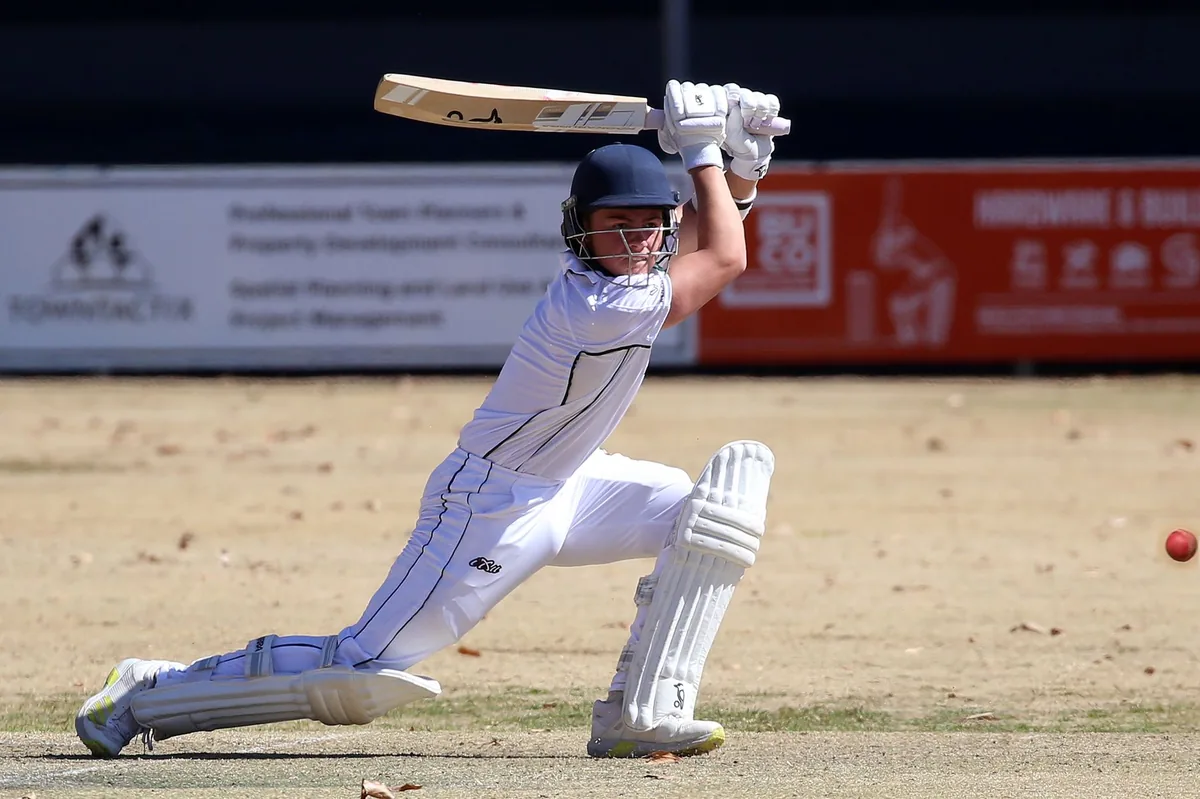
Why Heat Stress is a Real Threat for Cricketers in Uttar Pradesh, Bihar & Lucknow
Cricket matches and practice sessions often take place on hard, sun‑baked pitches. In cities like Lucknow, Kanpur, Patna or Varanasi, temperatures routinely climb above 35°C (95°F) during the pre‑monsoon months. When a fast bowler runs up for a delivery or a batsman spends hours in the middle, the body loses water through sweat, respiration and even the heat radiated from the ground.
Dehydration reduces plasma volume, hampers muscle contraction, and can lead to heat‑related illnesses such as heat cramps, heat exhaustion, or in extreme cases, heat stroke. For a sport that demands split‑second reflexes, precise timing, and sustained concentration, even a 2% loss in body water can shave runs off a batting average or add unwanted wobble to a bowler’s run‑up.
Key physiological impacts
- Decreased blood flow to muscles – slower sprint speed and reduced bowling speed.
- Impaired cognitive function – slower decision‑making, poor shot selection.
- Higher perceived effort – training feels harder, leading to early fatigue.
How Much Fluid Do You Actually Need?
There is no one‑size‑fits‑all answer, but the Indian Council of Medical Research (ICMR) suggests a baseline of 35–40 ml of water per kilogram of body weight per day for active adults in hot climates. For a 70 kg adolescent cricketer, that translates to roughly 2.5–2.8 litres a day, plus extra for training.
Pre‑training hydration
Start your session already hydrated. Aim to drink 400–600 ml of water or a light electrolyte drink 2–3 hours before you step onto the field. This gives your kidneys time to process the fluid and reduces the need for frequent bathroom trips during warm‑up.
During‑training hydration
For every 15‑20 minutes of active practice in >30°C heat, consume 150–250 ml of fluid. If you’re sweating heavily (which most fast bowlers do), lean toward the higher end. Use a reusable bottle you can refill at the side‑line water tap – it’s cheap and environmentally friendly.
Post‑training rehydration
Within 30 minutes of finishing, replace lost fluids by drinking 1.5 times the amount you think you lost. A simple way to estimate loss is to weigh yourself before and after a session; every kilogram of weight loss ≈ 1 litre of sweat.
Affordable Hydration Strategies for Indian Cricketers
Professional sports drinks can be pricey, but there are plenty of budget‑friendly alternatives that provide the same electrolytes – sodium, potassium, magnesium – without breaking the bank.
- Homemade oral rehydration solution (ORS): Mix 1 litre of clean water with 6 g of sugar, ½ tsp of salt, and a pinch of black salt for a mild electrolyte boost.
- Buttermilk (chaas): A traditional Indian drink rich in potassium and calcium. Add a pinch of roasted cumin powder for flavor and extra sodium.
- Coconut water: Naturally high in potassium; buy in bulk from local markets to keep costs low.
- Lemon‑salt water: Squeeze fresh lemon into water, add a pinch of salt and a teaspoon of jaggery for a quick energy‑electrolyte combo.
- Fruit‑infused water: Add slices of orange, watermelon or cucumber to a jug of water. The natural sugars give a mild energy lift, and the fruit provides vitamins.
All these options can be prepared at home for under ₹30 per litre, making them perfect for school‑age players and families on a modest budget.
Monitoring Your Hydration Status on the Field
Professional labs use plasma osmolality, but you can use simple, reliable checks:
- Urine colour test: Light straw‑yellow indicates good hydration; dark amber suggests you need more fluids.
- Body weight check: Weigh yourself before and after a session. A loss of >2% body weight signals significant dehydration.
- Thirst perception: While not perfect, feeling thirsty during practice is a late sign – aim to drink before you’re thirsty.
Quick field checklist
- Check urine colour in the restroom after warm‑up.
- Weigh yourself on a digital scale (if available) before the first drill.
- Mark a water bottle with 150 ml intervals and sip at each interval.
- Record the total volume consumed; compare with the weight‑loss estimate.
Balancing Nutrition & Electrolytes
Hydration works hand‑in‑hand with nutrition. Consuming the right carbs and proteins supports fluid retention and recovery.
- Complex carbs (whole wheat roti, poha, upma) before a long session keep blood glucose stable, reducing the urge to over‑drink sugary drinks.
- Protein sources (dal, paneer, eggs) after training aid muscle repair and help re‑establish fluid balance.
- Fruits and vegetables such as watermelon, cucumber, and oranges supply natural electrolytes and water.
Integrating Hydration into Your Daily Training Routine
Consistency beats occasional mega‑drinks. Here’s a sample day for a 16‑year‑old fast‑bowler training in Lucknow’s summer heat:
| Time | What to Consume |
|---|---|
| 06:30 am | 250 ml warm water + 1 tsp jaggery (energy boost) |
| 07:30 am | Breakfast – 2 chapatis, dal, a glass of buttermilk |
| 09:45 am (pre‑practice) | 400 ml homemade ORS |
| 10:00‑12:00 am (training) | 150 ml coconut water every 20 minutes + sip water as needed |
| 12:30 pm (post‑practice) | 1 litre ORS + protein‑rich snack (boiled eggs or roasted chana) |
| 02:00 pm | Lunch – rice, mixed veg, curd, and a glass of lemon‑salt water |
| 04:30 pm (optional skill work) | 200 ml water + a few bites of fruit |
| 07:00 pm | Dinner – roti, paneer, salad, and a cup of warm milk |
Adjust portions based on individual sweat rates, but the pattern—pre‑hydrate, sip regularly, and rehydrate with electrolytes—remains universal.
When to Seek Professional Guidance
If you notice any of the following, consult a sports physician or a qualified nutritionist:
- Persistent dizziness or fainting during practice.
- Muscle cramps that don’t resolve with fluid intake.
- Unexplained weight loss or chronic fatigue.
- Blood in urine (a rare sign of severe dehydration).
These symptoms may indicate underlying medical issues that require tailored fluid‑replacement protocols.
Bridging the Funding Gap – How Scholarships Can Help
Staying properly hydrated is just one piece of a larger performance puzzle that includes quality coaching, proper nutrition, safe accommodation, and regular fitness monitoring. For many families in Uttar Pradesh, Bihar and surrounding regions, covering the cost of a residential cricket academy, nutritious meals, and travel to district‑level tournaments can be a heavy burden.
Want to pursue a structured training pathway but cannot afford regular coaching? Eligible players can explore the Lucknow Cricket Scholarship, which offers assistance for coaching fees, hostel stay, meals, and essential gear. The scholarship aims to level the playing field for talented youngsters from modest backgrounds.
To learn more about eligibility, required documents, and the application timeline, call us at +91 9695934706. Our team can guide you through the process and help you take the next step toward a healthier, more competitive cricket career.
Quick Recap – Your Hydration Checklist
- Start each day with 400‑600 ml of water or ORS 2–3 hours before training.
- Drink 150‑250 ml every 15‑20 minutes during hot‑weather sessions.
- Rehydrate with 1.5 × the estimated sweat loss within 30 minutes post‑practice.
- Use cheap, Indian‑based drinks: homemade ORS, buttermilk, coconut water, lemon‑salt water.
- Monitor urine colour and body weight to catch early dehydration.
- Pair fluid intake with balanced carbs, protein, and fruit‑vegetable electrolytes.
- If finances limit access to quality coaching or nutrition, consider scholarship options like the Lucknow Cricket Scholarship.
By integrating these affordable hydration habits into your routine, you’ll protect your health, sustain performance, and stay on track for the next district or state selection—no matter how hot the Indian summer gets.