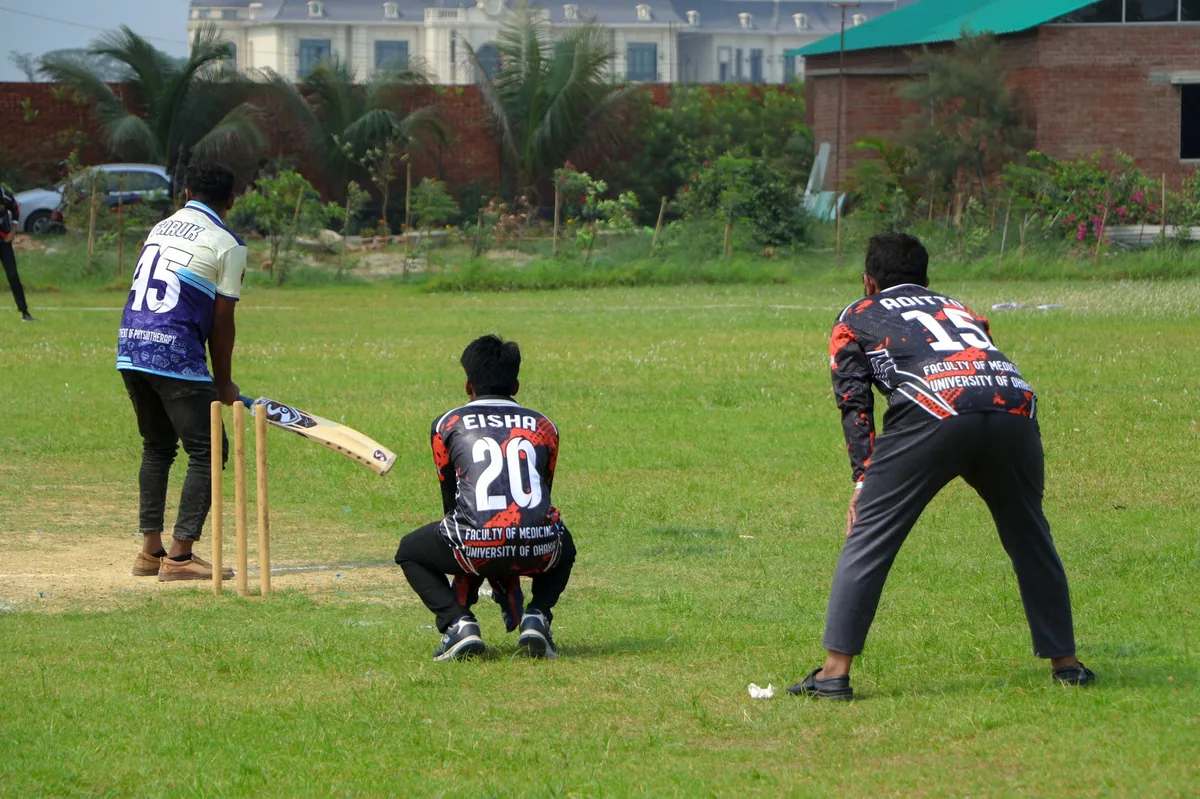
Why Practising Cricket at Home is a Real Need
For many families in Uttar Pradesh, Bihar and other parts of North India, finding a safe, well‑maintained ground on a daily basis is a challenge. Traffic, school schedules, and the cost of transport to a club can add up quickly, leaving young aspirants frustrated and parents worried about wasted talent and money.
Practising at home bridges that gap. It lets the player stay consistent, develop muscle memory, and keep the excitement alive while the family controls the expense.
Safety First – Common Risks and How to Minimise Them
Before you roll out any drill, consider the environment:
- Hard surfaces: Concrete or tiled floors increase the risk of bruises and broken equipment. Use a yoga mat, rubber flooring or a thick carpet wherever possible.
- Limited space: A cramped area can cause accidental collisions. Mark a clear boundary with tape or a rope and keep non‑players out of the zone.
- Improper gear: Playing with a regular tennis ball on a hard floor can damage shoes and cause finger injuries. Opt for a softer soft‑ball or a tennis ball wrapped in a thin towel for extra cushioning.
By setting up a safe zone and using the right equipment, you reduce the chance of injuries and keep the practice sessions enjoyable.
Low‑Cost Home‑Based Drills for Every Skill
Batting Drills
Even without a pitch, you can sharpen timing, footwork and hand‑eye coordination.
- Shadow Batting: Stand in front of a mirror or a wall and go through the full batting stance, forward stride and follow‑through. Focus on balance and head position.
- Wall‑Bounce Drill: Use a rubber ball and hit it against a sturdy wall. Aim for a consistent bounce height; this mimics a bowler’s length and helps develop timing.
- Target Zones: Tape four squares on a wall (high, middle, low, outside). Try to hit each zone in succession, improving placement and wrist control.
Bowling Drills
Bowling at home is mostly about rhythm, accuracy and building a repeatable action.
- Run‑up Simulation: Mark a short 5‑meter run‑up with chalk or tape. Practice the approach, focusing on a smooth, balanced stride.
- Target Bowling: Place a bucket or a plastic hoop on the floor. Aim to land the ball inside the target, which reinforces line and length.
- Seam Position Drill: Hold a tennis ball with a seam (or use a cricket ball if you have one) and practice rotating the wrist to create seam movement. Do this without a run‑up to isolate the hand action.
Fielding & Throwing Drills
Quick reflexes and accurate throws are often the difference between a good player and a great one.
- One‑Hand Wall Catch: Throw a soft ball against a wall and catch it with one hand. Increase speed gradually.
- Rolling Ground‑Ball Drill: Roll a tennis ball across the floor and sprint to pick it up, mimicking a low‑catch scenario.
- Target Throw: Set up a bucket 10‑15 metres away. Practice a quick, under‑arm or over‑arm throw aiming for the centre of the bucket.
Using Everyday Items as Cricket Gear
When budgets are tight, creativity wins. Here are some household items that double as cricket equipment:
- Plastic water bottle: Use it as a makeshift bat for light‑touch drills.
- Old newspaper: Roll it tightly and tape it – it becomes a low‑cost practice ball for shadow drills.
- Rope or garden hose: Mark a straight line on the floor to simulate a pitch crease.
- Chair legs: Place them as stumps for a mini‑run‑up practice.
These improvisations keep the cost under ₹500 while still providing a realistic feel.
Building a Mini‑Pitch in Small Spaces
If you have a balcony, a backyard, or even a spacious hallway, you can create a compact practice area.
- Measure 12‑15 metres: This is enough for a short run‑up and a delivery stride.
- Lay down a non‑slip mat: It protects the floor and gives a consistent bounce.
- Mark the crease: Use painter’s tape to create a 1‑metre batting crease and a 2‑metre bowling crease.
- Place a net or a sheet: Hang a lightweight net or a thick bedsheet behind the batting zone to catch balls and reduce damage.
Even a 12‑metre strip can simulate a full delivery and help players work on their run‑up, release point and follow‑through.
Incorporating Fitness and Conditioning at Home
Cricket is as much about fitness as skill. A balanced routine improves endurance, prevents injuries and makes every drill more effective.
- Dynamic Warm‑up (5‑7 minutes): High‑knees, butt‑kicks, arm circles and side‑lunges.
- Core Circuit (3 rounds): Plank (30 seconds), Russian twists (20 reps), bicycle crunches (30 seconds).
- Leg Power (2 rounds):
- Squat jumps – 15 reps
- Wall‑sit – 45 seconds
- Calf raises – 20 reps
- Cool‑down: Gentle stretching focusing on hamstrings, shoulders and lower back.
All these exercises need no equipment and can be done in a 20‑minute session after a practice drill.
Tracking Progress Without a Coach
When you’re not under the eye of a professional trainer, self‑assessment becomes crucial.
- Video Analysis: Record each session on a smartphone. Review foot placement, bat swing and bowling action frame‑by‑frame.
- Drill Log: Keep a simple notebook or spreadsheet noting date, drill type, number of repetitions and perceived difficulty.
- Goal Setting: Set weekly micro‑goals – e.g., ‘hit the wall target 8 out of 10 times’ – and celebrate achievements.
- Peer Review: If possible, invite a neighbour or sibling to watch and give feedback. Fresh eyes often spot subtle errors.
Consistent tracking builds confidence and creates a data‑driven pathway to improvement.
When Home Practice Needs a Boost – Scholarships and Structured Coaching
Home drills are powerful, but at a certain stage a player benefits from specialised coaching, quality nets, strength‑training equipment and exposure to competitive matches. For families who find the cost of regular academy fees daunting, **eligible and committed players** can explore the Lucknow Cricket Scholarship. The scholarship offers access to professional coaches, residential facilities and match‑play opportunities, helping talent transition from backyard practice to district‑level competition.
If you think your child has the passion and the discipline to follow a structured pathway, consider checking the eligibility criteria, gathering school reports, identity proof and recent performance videos. The scholarship can dramatically reduce the financial barrier while keeping the focus on skill development.
Call us at +91 9695934706 for more details on how to apply, required documents and upcoming trial windows. Remember, the scholarship complements home practice – it does not replace the dedication you’ve already built.
Putting It All Together – A Sample Weekly Schedule
| Day | Focus | Activity (30‑45 mins) |
|---|---|---|
| Monday | Batting | Wall‑bounce drill + target zones + video review |
| Tuesday | Bowling | Run‑up simulation + target bowling + seam‑position drill |
| Wednesday | Fielding | One‑hand wall catches + rolling ground‑ball + target throw |
| Thursday | Fitness | Dynamic warm‑up + core circuit + leg power |
| Friday | Mixed Skills | Mini‑pitch practice (full delivery‑to‑shot) + shadow batting |
| Saturday | Review | Video analysis, log update, set next week’s goals |
| Sunday | Rest | Light stretching, mental visualization |
This balanced plan keeps the player engaged, reduces monotony and ensures that each core cricket skill gets regular attention.
Final Thoughts
Practising cricket at home when you lack a ground is entirely possible with a little imagination, safe set‑up and disciplined routine. By combining inexpensive drills, makeshift equipment and a clear progress‑tracking system, young cricketers can maintain momentum without breaking the bank.
When the time comes to test those skills in a competitive environment, a structured programme such as the Lucknow Cricket Scholarship can provide the next rung on the development ladder – offering professional coaching, quality facilities and exposure to district selectors. Until then, the home‑ground you create today could be the foundation of tomorrow’s success.