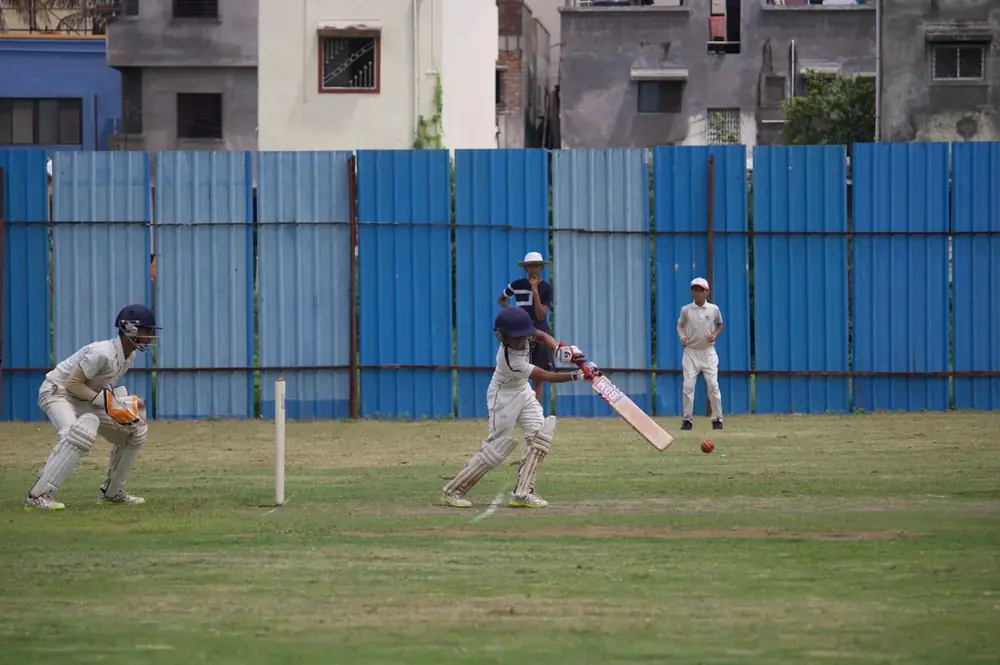
Understanding the Challenge of a Packed Cricket Calendar
In Uttar Pradesh, especially around Lucknow and neighboring districts like Kanpur and Faizabad, the cricket season often feels like a marathon. School leagues, club tournaments, district championships, and occasional state‑level fixtures can stack up to **four or five matches a week** for a promising youngster. While the exposure is valuable, the constant travel, early‑morning nets, and late‑evening games create a perfect storm for fatigue, injury, and mental burnout.
Common risks when workload is left unchecked
- Overuse injuries: Repetitive bowling or batting motions can inflame shoulders, elbows, knees, and lower back.
- Reduced performance: Fatigued muscles and a tired mind lead to slower reflexes, poor shot selection, and erratic bowling lines.
- Psychological burnout: Young players may lose the joy of the game, leading to drop‑outs.
- Financial strain: Frequent travel, extra coaching sessions, and specialised equipment add up quickly for families.
Parents often ask, “How can we keep our child’s development on track without burning them out or breaking the bank?” The answer lies in a systematic, evidence‑based workload‑management plan that balances **training**, **match play**, and **recovery** while keeping an eye on costs.
Building a Balanced Weekly Plan
Instead of reacting to each match, design a weekly template that adapts to the number of fixtures. The template should answer three questions:
- What is the **primary focus** for the week – skill work, strength, or recovery?
- How many **match minutes** are scheduled, and where do they fall?
- What **recovery windows** can be inserted without compromising school or rest?
Prioritising sessions
Use the following hierarchy when allocating time:
- Match days: Treat these as the core stimulus. Warm‑up (15‑20 min), match play, and cool‑down (10 min) are non‑negotiable.
- Skill‑focused nets: Limit to 60‑90 minutes on non‑match days, concentrating on one discipline (batting, bowling, or fielding) to avoid cumulative strain.
- Strength & conditioning: Two short sessions (30‑45 min) per week, focusing on body‑weight circuits, mobility, and core stability – no need for expensive gym memberships.
- Active recovery: Light jog, yoga, or swimming for 20‑30 minutes on the day after a back‑to‑back match series.
Here’s a sample week for a player with three matches (Mon, Wed, Sat):
Monday   – Match (2 hrs) + 10 min cool‑down
Tuesday  – Skill nets (batting) 60 min + mobility 15 min
Wednesday– Match (2 hrs) + 10 min cool‑down
Thursday – Strength circuit 30 min + light jog 20 min
Friday   – Skill nets (bowling) 60 min + video review 20 min
Saturday – Match (2 hrs) + 10 min cool‑down
Sunday   – Full rest or family walk
Adjust the plan when matches are clustered (e.g., two matches on consecutive days). In those cases, replace a skill‑net session with an extra recovery day.
Recovery Strategies That Won’t Break the Bank
Recovery is where most parents can save money while gaining big performance dividends. Professional sports teams spend thousands on cryotherapy and hyper‑baric chambers, but young cricketers can achieve comparable benefits with simple, low‑cost methods.
Sleep – the ultimate recovery tool
Aim for **8‑9 hours** of uninterrupted sleep. Encourage a consistent bedtime routine: dim lights 30 minutes before sleep, limit screen time, and use a comfortable mattress. A short nap (20‑30 minutes) after a long match can also replenish glycogen stores.
Nutrition on a budget
Focus on **protein‑rich vegetarian sources** that are affordable in Lucknow: paneer, lentils, chickpeas, and soy chunks. Pair them with complex carbs (brown rice, whole‑wheat rotis) and seasonal fruits for antioxidants. Hydration is equally vital – a homemade electrolyte drink (lemon, pinch of salt, jaggery) costs less than commercial sports drinks.
Active recovery techniques
- Foam rolling: A basic foam roller costs under ₹500 and can be used at home to release muscle tension.
- Dynamic stretching: 10‑minute routines before nets and static stretching after matches reduce stiffness.
- Cold water immersion: A bucket of cool water for the lower limbs (10 minutes) after a heavy bowling spell mimics ice‑bath benefits without the expense.
Monitoring Load with Simple Tools
Professional academies use GPS trackers and heart‑rate monitors, but parents can still keep an eye on workload using low‑tech methods.
Session Rating of Perceived Exertion (RPE)
After each practice or match, ask the player to rate effort on a 1‑10 scale. Multiply the rating by the session duration (minutes) to get an **load score**. Track these scores in a notebook or a free spreadsheet. Spikes of more than 20‑30 % from the previous week signal a need for extra recovery.
Training diary
Document:
- Date and type of activity (match, net, gym)
- Duration and intensity (RPE score)
- How the player felt (energy, soreness)
- Any injuries or niggles
Review the diary weekly with the coach to adjust the plan.
Basic wearable devices
If the budget allows, a simple fitness band (₹1,500‑₹2,500) can track steps, sleep, and heart‑rate zones. Use the data to confirm whether the player is getting enough rest.
When to Seek Professional Help
Even with the best DIY plan, some situations demand a qualified professional:
- Persistent pain lasting more than a week despite rest.
- Swelling, bruising, or loss of range of motion in joints.
- Sudden drop in performance that cannot be explained by fatigue alone.
Local physiotherapy clinics in Lucknow offer **student‑discount packages** for young athletes. Early intervention often prevents long‑term absences and saves money on extensive rehab later.
Financial Considerations: Coaching Fees, Travel, and Equipment
Parents juggling school fees, household expenses, and cricket costs face a real dilemma. Here are some cost‑saving ideas:
- Group coaching: Joining a small cohort (4‑6 players) reduces per‑head fees.
- Shared transport: Carpool with other families heading to the same club ground.
- Second‑hand gear: Platforms like OLX and local cricket stores in Lucknow often have well‑maintained bats, pads, and gloves at 30‑40 % of the new price.
- Community facilities: Municipal stadiums provide free or nominal‑fee nets on weekdays.
Even with these hacks, the cumulative cost of a serious development pathway can be daunting. That’s where structured financial assistance can make a difference.
Bridging Ambition and Access: The Lucknow Cricket Scholarship
For families who see genuine talent and commitment but worry about affordability, the **Lucknow Cricket Scholarship** offers a lifeline. Eligible players receive:
- Subsidised coaching at recognised academies in Lucknow.
- Assistance with travel expenses for district and state tournaments.
- Access to a mentorship programme that includes fitness, nutrition, and academic support.
The scholarship does not guarantee a place in the IPL, but it does provide a structured environment where a player can focus on skill development, injury‑prevention, and performance tracking – all critical steps on the pathway from school pitches to district and state squads.
Want to pursue structured coaching but are concerned about costs? Eligible players can apply for the Lucknow Cricket Scholarship. Call +91 9695934706 for details and to start the application process.
Putting It All Together: A Sample 8‑Week Cycle
Below is a concise roadmap that combines the principles above. Adjust dates based on your local tournament calendar.
Week 1‑2: Baseline assessment (RPE diary, mobility screen) + light skill nets
Week 3‑4: Increase match exposure (2‑3 games/week) + maintain 1 strength session
Week 5: Recovery week – reduce net time by 30 %, add yoga and extra sleep
Week 6‑7: Peak phase – focus on specific skill (e.g., death‑overs bowling) while monitoring load scores
Week 8: Evaluation – review diary, injury log, and performance stats; decide on next cycle or scholarship application
By following a structured plan, keeping a simple load‑monitoring system, and using affordable recovery tools, parents can protect their child’s health, optimise performance, and keep expenses manageable.
Final Thoughts
Managing a busy cricket schedule is less about cutting corners and more about **smart planning**. Prioritise quality over quantity, embed low‑cost recovery habits, and keep a transparent record of workload. When financial constraints become a barrier, remember that scholarships like the Lucknow Cricket Scholarship exist to bridge the gap for talented, dedicated youngsters.
Take the first step today: review your child’s current schedule, introduce an RPE diary, and explore the scholarship option if the cost of coaching feels out of reach. Consistency, safety, and a supportive environment are the true ingredients for long‑term cricket success.