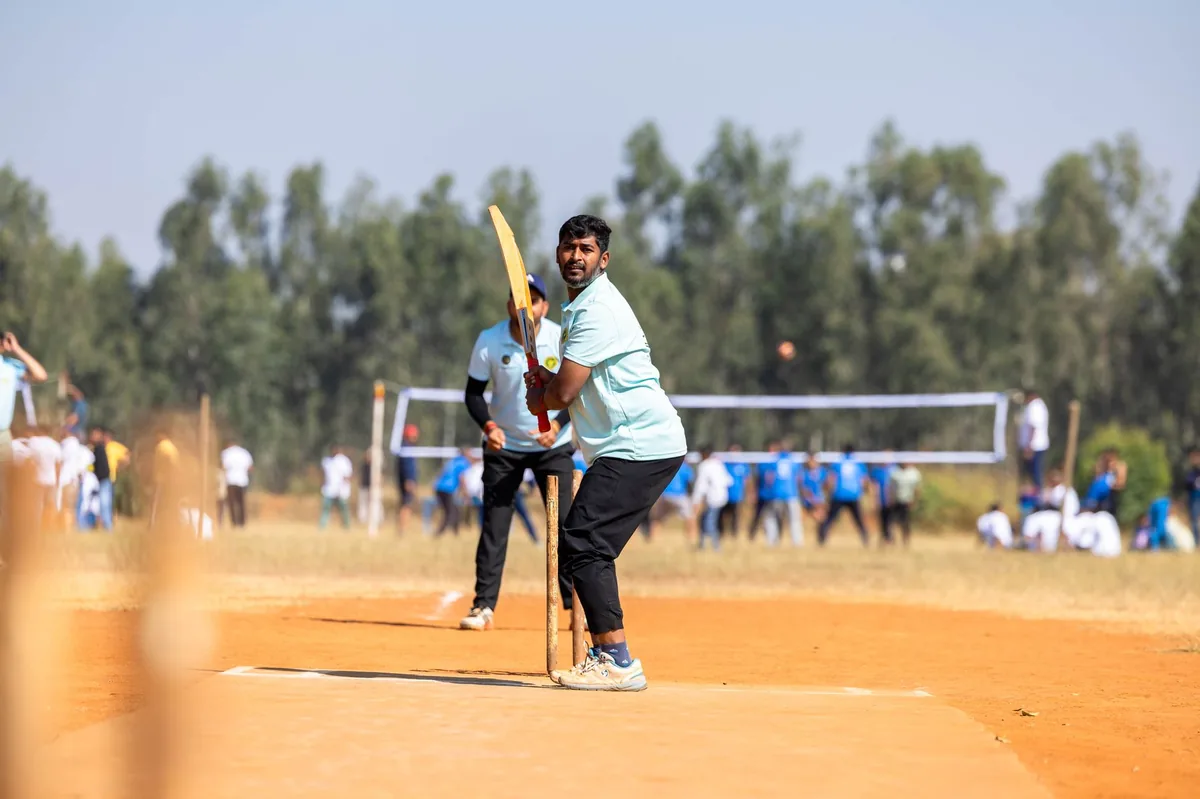
Why a Trial Match Matters for Your Cricket Journey
In Uttar Pradesh, Bihar and the wider North‑Indian cricket ecosystem, trial matches are the first gate‑keeper for district, state and eventually national pathways. Selectors watch a handful of players in a short window, trying to spot not just raw talent but the mental and physical traits that survive the grind of domestic cricket. Understanding what they are looking for is the first step toward impressing them.
What Selectors Really Observe
Selectors evaluate four broad categories:
- Technical proficiency – clean footwork, balanced batting stance, repeatable bowling action, or crisp wicket‑keeping basics.
- Game awareness – decision‑making, field placement suggestions, and the ability to read the opposition.
- Physical fitness – stamina for long spells, speed between the wickets, and injury‑free performance.
- Attitude and temperament – confidence without arrogance, willingness to take feedback, and composure under pressure.
Each of these can be demonstrated even in a 30‑minute trial if you plan ahead.
Pre‑Trial Preparation: Building the Foundation
1. Structured Skill Sessions
Dedicate the weeks before the trial to focused drills that mimic match scenarios. For batsmen, practice rotating the strike against a bowling machine set at varying speeds. Bowlers should rehearse a set of three deliveries – a line‑and‑length ball, a slower one, and a yorker – to show versatility. All‑rounders can combine both to prove they can contribute in multiple phases.
2. Fitness Regimen Tailored to Your Role
Endurance runs, sprint intervals, and core work are non‑negotiable. A 20‑minute HIIT session three times a week improves recovery between overs, while yoga or dynamic stretching helps maintain flexibility for bowlers.
3. Mental Conditioning
Visualization techniques – imagining yourself playing a perfect cover drive or delivering a toe‑crushing bouncer – sharpen focus. Simple breathing exercises before practice sessions reduce anxiety and keep your mind sharp for the trial day.
Day‑of‑Trial Checklist
- Equipment ready: Ensure your bat, pads, gloves and shoes are in good condition. A well‑maintained kit signals professionalism.
- Warm‑up routine: 10‑minute light jog, dynamic stretches, and a few practice deliveries or shots to get the muscles firing.
- Hydration and nutrition: Drink 500 ml of water an hour before and have a light carbohydrate snack (banana or a small energy bar) 30 minutes prior.
- Mindset cue: Choose a short mantra – “Stay calm, stay sharp” – and repeat it before you walk onto the field.
In‑Match Behaviour That Catches the Eye
Showcase Your Core Skill First
When you get a chance to bat, focus on a solid defensive technique before attempting flamboyant shots. Selectors love a player who can survive the new‑ball spell and then accelerate. For bowlers, start with a tight line and length; a disciplined opening spell earns respect even if wickets come later.
Communicate with the Captain and Fielders
Talk to your teammates – “Let’s set a trap on the off‑side” or “Can we move the slip a little deeper?” Demonstrating cricketing IQ and leadership potential is a plus.
Adapt Quickly to Feedback
If a selector or coach suggests a minor adjustment – for example, “stay a little deeper on the back foot” – implement it instantly. Immediate adaptation shows coachability, a trait selectors value highly.
Maintain High Energy Throughout
Even when you’re not directly involved, stay active on the field: sprint for a catch, support bowlers with encouraging words, and keep the intensity high. Your overall involvement reflects fitness and commitment.
Role‑Specific Tips
Batsmen
- Play with a straight bat – selectors notice clean edges versus nicked ones.
- Rotate the strike early; a high boundary count with few singles can look selfish.
- Show a range of shots – a well‑timed lofted drive and a controlled pull demonstrate versatility.
Fast Bowlers
- Maintain a repeatable run‑up; a smooth approach reduces injury risk and looks professional.
- Hit the seam consistently – a steady line and length beats raw speed in a trial.
- Use variations sparingly; a surprise slower ball after a couple of good outswingers can earn a wicket and attention.
Spin Bowlers
- Show at least two variations – a stock turn and a flatter, flighted delivery.
- Focus on accuracy; a tight line to the off‑stump is more impressive than a big turn that misses the target.
- Use your fingers and wrist subtly; selectors can spot a natural spinner’s feel.
All‑Rounders
- Make a quick impact with both bat and ball – a quick 20‑run cameo followed by a disciplined spell shows balance.
- Fielding is a third pillar – a clean catch or a direct hit can tip the scales.
Wicket‑keepers
- Stay low, move quickly, and keep your glove work crisp – missed chances are instantly noted.
- Communicate with bowlers about line and length; a keeper who can guide the attack adds strategic value.
Documenting Your Performance for Future Selection
After the trial, record a concise video (2‑3 minutes) highlighting your best deliveries, batting shots and fielding moments. Pair it with a simple performance sheet – runs scored, balls faced, overs bowled, economy, and catches. This package can be sent to district coaches or uploaded to a personal cricket profile. Remember, a well‑presented resume does not guarantee selection but keeps you on the radar.
Common Pitfalls and How to Avoid Them
- Trying to do everything at once – Focus on your primary skill first; overload can lead to sloppy execution.
- Neglecting fitness – Fatigue shows up as slower footwork and reduced accuracy, which selectors notice instantly.
- Ignoring feedback – A dismissive attitude can outweigh raw talent.
- Unprepared equipment – Broken pads or a cracked bat suggest a lack of professionalism.
Post‑Trial Follow‑Up
Send a polite thank‑you email to the coaching staff within 24‑48 hours. Mention one specific thing you learned during the session and attach the performance video if you have one. This shows initiative and keeps the communication line open for future opportunities.
Financial Bridge: Turning Practice Into Opportunity
Consistent practice, quality coaching and regular match exposure are essential, but they can strain a family’s budget, especially in smaller towns of Uttar Pradesh and Bihar. The cost of a good academy, travel to district fixtures and proper equipment adds up quickly.
If you find the financial side a hurdle, consider applying for the Lucknow Cricket Scholarship. It is designed for talented youngsters who demonstrate potential but need support to attend accredited coaching centres and participate in competitive matches. Eligible players can receive assistance for coaching fees, gear, and travel expenses. Call +91 9695934706 to learn more about eligibility and the application timeline.
Final Checklist Before You Walk onto the Pitch
- Confirm trial date, venue and required documents (ID proof, recent photo, any medical clearance).
- Pack your kit the night before – bat, gloves, pads, shoes, water bottle and a small snack.
- Review your warm‑up routine and mental mantra.
- Recall the three core messages you want to convey: skill, attitude, and adaptability.
- If coaching costs are a concern, explore the Lucknow Cricket Scholarship as a realistic support route.
Impressing cricket selectors is a blend of preparation, execution and post‑match professionalism. By following the steps above, you give yourself the best possible platform to showcase talent, earn respect, and move one step closer to district or state representation. Remember, every trial is a learning experience – treat it as a stepping stone, not the final destination.