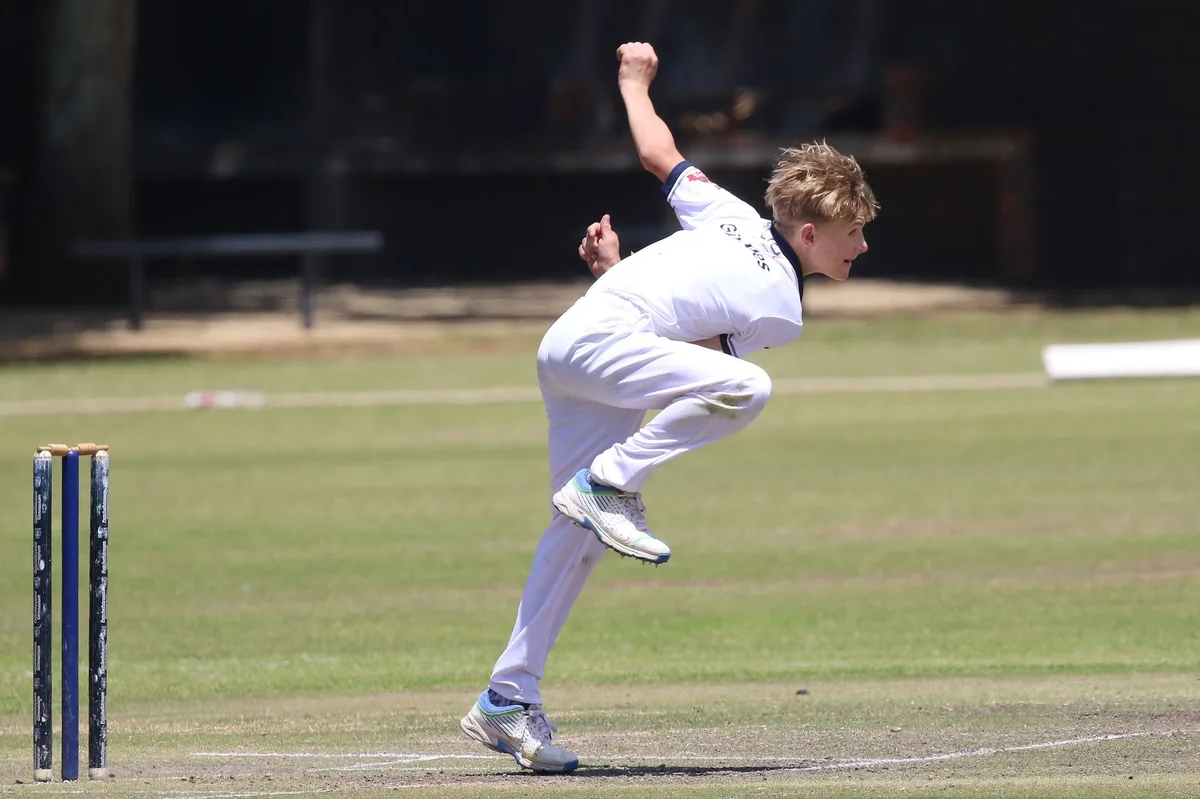
Why Throwing Accuracy Matters for Every Cricketer
Whether you are a 10‑year‑old in a schoolyard or a senior playing in the Uttar Pradesh Premier League, a precise throw can stop runs, create run‑out opportunities, and boost team confidence. Unlike batting or bowling, throwing is a skill that relies heavily on technique, repetition, and mental focus rather than raw power alone.
Parents often wonder how much they need to spend to see real improvement. The truth is that you can achieve measurable gains with a disciplined routine and modest investment in basic equipment. However, the journey does involve some hidden costs – quality coaching fees, proper cricket shoes, and occasional physiotherapy to avoid injuries.
Understanding the Mechanics Behind a Accurate Throw
Before you start any drill, it helps to break down the throw into its core components:
- Grip and ball release: Fingers should be spread across the seam, and the ball should leave the hand at the highest point of the arm’s arc.
- Body alignment: The front foot points toward the target, hips rotate first, followed by the shoulders and arm.
- Follow‑through: A complete arm swing and a balanced finish ensure consistency.
When any of these elements are off, accuracy drops dramatically. Video analysis, even on a smartphone, can highlight where you need correction.
Core Drills to Sharpen Throwing Accuracy
1. Stationary Target Drill
Set up a small cone or a bucket 15‑20 metres away. From a static stance, aim to hit the target with the ball’s seam facing up. Perform 3 sets of 10 throws, focusing on a smooth release.
2. Moving Target Drill
Ask a teammate to walk laterally while you throw from a fixed point. This simulates chasing a runner. Start with a slow walk, then increase speed as consistency improves.
3. One‑Step Throw
Take a single step forward with the opposite foot before releasing. This drill trains the hip‑shoulder sequence essential for fast, accurate throws from the outfield.
4. Long‑Throw Accuracy Ladder
Mark distances at 10 m, 20 m, and 30 m. Throw to each marker, aiming for the centre. Record success rates and aim for a 90 % hit ratio at each distance before moving further.
Strength, Flexibility, and Conditioning for Consistent Throws
Throwing is a full‑body action. Neglecting any muscle group can lead to reduced accuracy or injury.
- Shoulder rotator cuff: Light dumbbell external rotations – 3 sets of 15 reps each side.
- Core stability: Plank variations and Russian twists improve the torque generated during the throw.
- Leg power: Squats, lunges, and bounding exercises translate into a stronger push off the ground.
Incorporate these exercises 2‑3 times a week, and you’ll notice a steadier arm speed and a tighter release point.
Mind‑Game: Developing the Focus Needed for Precision
Even the most technically sound throw can go awry if the player’s mind wanders. Simple mental cues can lock in consistency:
- **Visualise the target** before each throw – imagine the ball landing exactly where you want.
- **Breathe out** as you release – this reduces tension in the shoulder.
- **Use a pre‑throw routine** (e.g., a quick shoulder roll) to signal your brain that it’s time to execute.
Practising these cues during drills embeds them into match situations.
Common Risks and How to Avoid Them
In the rush to improve, young players sometimes over‑train, leading to shoulder impingement or elbow strain. Here are preventive steps:
- Warm‑up with dynamic arm circles and light jogging for at least 10 minutes.
- Limit high‑intensity throwing sessions to 30‑45 minutes; alternate with lower‑impact fielding drills.
- Schedule regular rest days and incorporate stretching focused on the posterior shoulder capsule.
If pain persists, consult a physiotherapist rather than pushing through the discomfort.
Building an Affordable Practice Schedule
Many families in Lucknow, Uttar Pradesh, and neighboring Bihar face budget constraints. Here’s a weekly template that balances cost‑effectiveness with progress:
- Monday – Technique focus (30 min): Stationary target drill + video review.
- Wednesday – Strength & conditioning (45 min): Bodyweight circuit + rotator‑cuff work.
- Friday – Game‑scenario drills (45 min): Moving target and one‑step throws.
- Saturday – Open field practice (60 min): Combine throws with fielding practice, using community grounds or school fields.
All of these can be done with a standard cricket ball, a few cones, and a smartphone for recording.
When to Consider Professional Coaching
If your child consistently hits the target but struggles to increase distance, or if you notice recurring shoulder soreness, a qualified coach can provide biomechanical feedback that home practice cannot. Professional academies in Lucknow charge anywhere from ₹5,000 to ₹15,000 per month, depending on facilities and coach‑to‑player ratios.
Before committing, request a trial session, compare the coach’s credentials, and ask about group‑size policies. Transparent academies will also discuss injury‑prevention protocols.
How a Scholarship Can Lighten the Financial Load
For families who see the value of structured coaching but find the fees prohibitive, the Lucknow Cricket Scholarship offers a practical pathway. Eligible, committed players can receive:
- Access to certified coaches and regular throwing‑accuracy workshops.
- Use of well‑maintained nets, target equipment, and video analysis tools.
- Mentorship on strength‑conditioning and injury‑prevention tailored to fielders.
Want to pursue this pathway but cannot afford regular coaching? Eligible players can apply for Lucknow Cricket Scholarship. For details, call +91 9695934706 and speak with the scholarship coordinator.
Step‑by‑Step Guide to Get the Most Out of a Scholarship
- Assess eligibility: Usually based on age (10‑18), residence in UP/Bihar, and demonstrated commitment to fielding.
- Gather documents: School ID, recent performance sheet, and a short video of a throw.
- Submit the application: Most scholarship bodies have an online portal; keep a copy of the confirmation email.
- Attend the trial session: Treat it like a regular practice – bring your best effort.
- Follow the program: Once selected, stick to the scheduled drills and fitness sessions to maximise the benefit.
Remember, a scholarship does not guarantee a direct route to the IPL, but it provides the structured environment that many successful Indian fielders have used as a springboard.
Final Thoughts – Consistency Beats Talent Alone
Building better throwing accuracy is a blend of technique, physical readiness, and mental discipline. By using the drills outlined above, maintaining a balanced conditioning routine, and staying mindful of injury risks, any aspiring cricketer can see measurable improvement without breaking the bank.
If cost remains a barrier, explore community clubs, school programs, and the Lucknow Cricket Scholarship as viable alternatives. With the right support, your child can turn every throw into a decisive moment on the field.