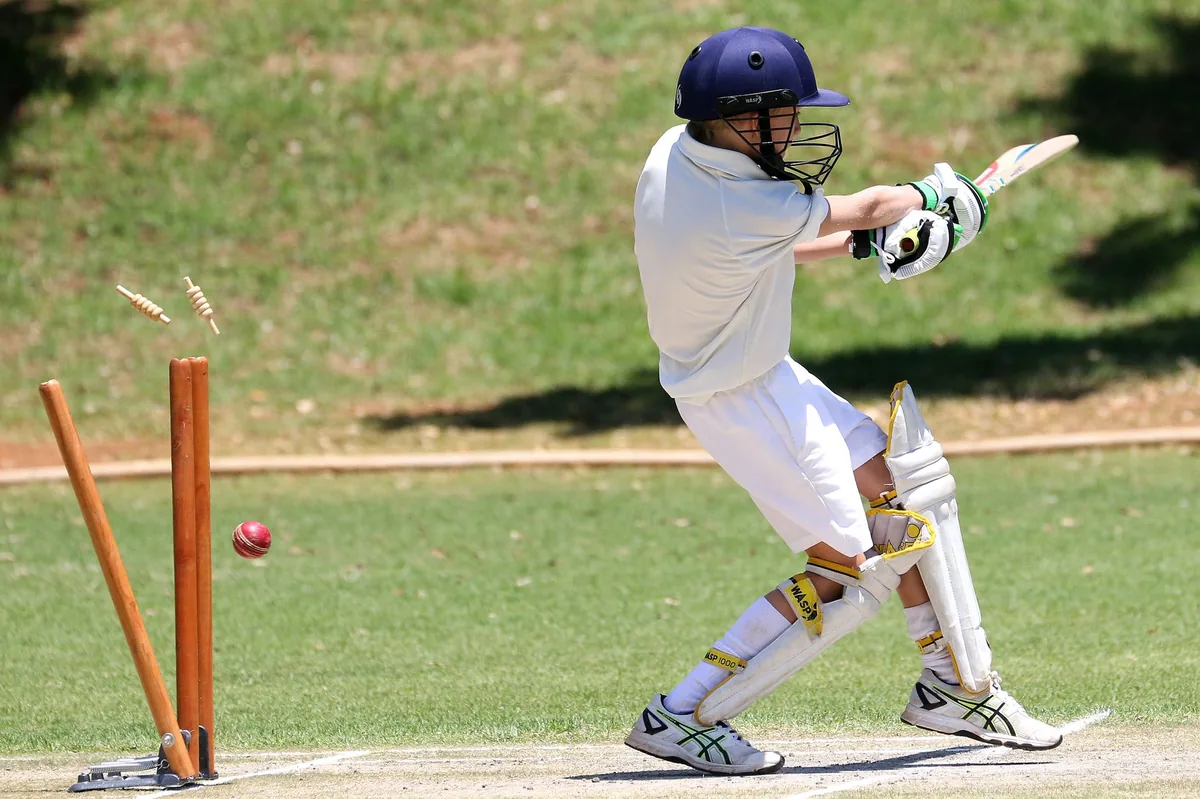
Why All‑Rounders Need a Special Strategy at a Trial
Selectors in district, state and academy trials are looking for players who can add balance to a side. An all‑rounder who can bat in the top order, bowl a full spell and field like a specialist instantly becomes a valuable asset. However, the same versatility can be a double‑edged sword – you must prove depth in each skill without appearing a jack‑of‑all‑trades.
Understanding the Selector’s Checklist
Before you step onto the ground, know exactly what the panel will be evaluating. The typical checklist for an all‑rounder includes:
- Batting technique: stance, footwork, shot selection and ability to rotate strike.
- Bowling effectiveness: run‑up consistency, line‑and‑length, variations and stamina for a full spell.
- Fielding agility: catching, ground fielding, throwing accuracy and speed.
- Game awareness: decision‑making, reading the match situation and communication with teammates.
- Physical fitness: endurance, strength and injury‑prevention measures.
When you understand these criteria, you can design a trial‑day plan that hits every bullet point deliberately.
Pre‑Trial Preparation – The 30‑Day Blueprint
1. Build a Balanced Practice Schedule
Allocate your week so that batting, bowling and fielding receive equal focus. A sample layout:
- Monday & Wednesday – Batting: net sessions (45 min), target‑based drills (e.g., 30 balls on the leg side), and scenario games.
- Tuesday & Thursday – Bowling: rhythm drills, line‑and‑length cones, and a full 10‑over spell at match pace.
- Friday – Fielding: high‑catch practice, direct‑hit drills, and agility ladders.
- Saturday – Integrated Match‑Play: a 20‑over mini‑match where you bat, bowl and field under pressure.
- Sunday – Recovery: light yoga, mobility work and video analysis of the week’s sessions.
2. Fitness Fundamentals
All‑rounders need a blend of aerobic endurance and explosive power. Include:
- Interval runs (4 × 400 m at 85 % max effort).
- Core circuit – planks, Russian twists, medicine‑ball throws.
- Strength work – squat, deadlift and push‑press (3 × 8 reps each).
Keep a simple log; consistency beats occasional high‑intensity bursts.
Designing Your Trial Day – What to Show and When
Warm‑up: Set the Tone
Start with a dynamic warm‑up that mirrors the activity you’ll showcase first. If you plan to bat first, begin with light batting drills (shadow swings, short‑run pickups). This signals confidence and reduces injury risk.
Batting – Make Every Shot Count
Selectors often give a limited number of balls (usually 30‑40). Use them wisely:
- Show a solid defence on the first 5‑6 deliveries – this proves technique.
- Transition to controlled aggression by targeting gaps on the off‑side and leg‑side in the next 10 balls.
- Finish with a boundary‑type shot (e.g., a lofted cover drive) to demonstrate power.
Speak to the bowler after each over – a quick “good length, please” displays cricketing IQ.
Bowling – Quality Over Quantity
When you get the ball, aim for a concise spell that highlights your primary weapon (pace, swing, or spin) and a secondary variation.
- First 2 overs: focus on a tight line (off‑stump to middle‑stump) and a consistent length (good length to full).
- Third over: introduce a change‑up – a slower ball, a bouncer or a subtle turn – to prove you can adapt.
- Final over: finish with a wicket‑taking delivery or a dot‑ball sequence to end on a high note.
Maintain a visible run‑up and a repeatable release point; selectors love repeatability.
Fielding – Turn Every Opportunity into a Highlight
Fielding is often the differentiator for all‑rounders. Follow these tips:
- Position yourself where the ball is likely to be hit (mid‑wicket, cover, point) – this shows anticipation.
- Take a direct‑hit attempt after a catch; a clean throw to the stumps demonstrates arm strength.
- Show agility by diving for a low ball and getting up quickly – it signals fitness and determination.
Using Video & Statistics to Strengthen Your Case
Many trials now allow players to submit a short video or a performance sheet. Here’s how to make it work for an all‑rounder:
- Video length: 2‑3 minutes, split into three 45‑second clips – batting, bowling, fielding.
- Key metrics to highlight: strike rate, boundary count, bowling economy, dot‑ball percentage, and catches taken.
- Include a brief voice‑over explaining the context of each clip – why you chose that shot or delivery.
Even if you cannot afford a professional videographer, a smartphone on a tripod works fine. Ensure good lighting and a clear view of the action.
Common Pitfalls and How to Avoid Them
- Trying to do everything at once – focus on your primary skill first, then add the secondary skill.
- Over‑aggression – a reckless swing or an uncontrolled yorker can cost you credibility.
- Neglecting fielding – a weak fielding display can nullify a good batting or bowling performance.
- Ignoring the mental side – stay calm, breathe, and treat each ball as a fresh opportunity.
Building a Portfolio for Future Trials
One trial rarely decides a career. Keep a running file that includes:
- Match scorecards from club, district and state games.
- Personal statistics (batting average, best bowling figures, catches).
- Video highlights (hosted on YouTube or Google Drive with a private link).
- Coach testimonials – ask your academy or club coach for a short written endorsement.
When you apply for the next trial, attach this portfolio. It shows professionalism and a commitment to continuous improvement.
Financial Bridge – Turning Practice Into Opportunity
High‑quality coaching, regular match exposure and video analysis can be expensive, especially for families in Lucknow, Kanpur or Patna. The good news is that the Lucknow Cricket Scholarship offers partial fee waivers and equipment grants for eligible all‑rounders who demonstrate talent and need.
Eligibility typically includes:
- U‑19 or U‑23 age‑group players residing in Uttar Pradesh or adjoining Bihar districts.
- Proof of academic performance (minimum 60 % in the last school exam).
- Recent trial or match footage showing competence in at least two disciplines.
Application documents usually consist of an ID proof, recent photographs, a short statement of goals, and the performance portfolio mentioned above. Rules can change, so always verify the latest criteria on the official scholarship portal.
Want to sharpen your all‑rounder game but find coaching fees a barrier? Eligible players can apply for Lucknow Cricket Scholarship and receive the financial support needed to attend elite camps and play in competitive leagues.
Next Steps – From Trial to Selection
After the trial, selectors may give immediate feedback or ask you to attend a follow‑up camp. Use any criticism as a roadmap for your next 30‑day training block. Keep your portfolio updated, stay in touch with coaches, and continue playing in district leagues – the more match data you collect, the stronger your case.
Call to Action
If you are an aspiring all‑rounder from Lucknow, Faizabad or any part of UP and feel the cost of regular coaching is holding you back, reach out today. Call +91 9695934706 to learn how the Lucknow Cricket Scholarship can fund your training and bring your trial performance to the next level.