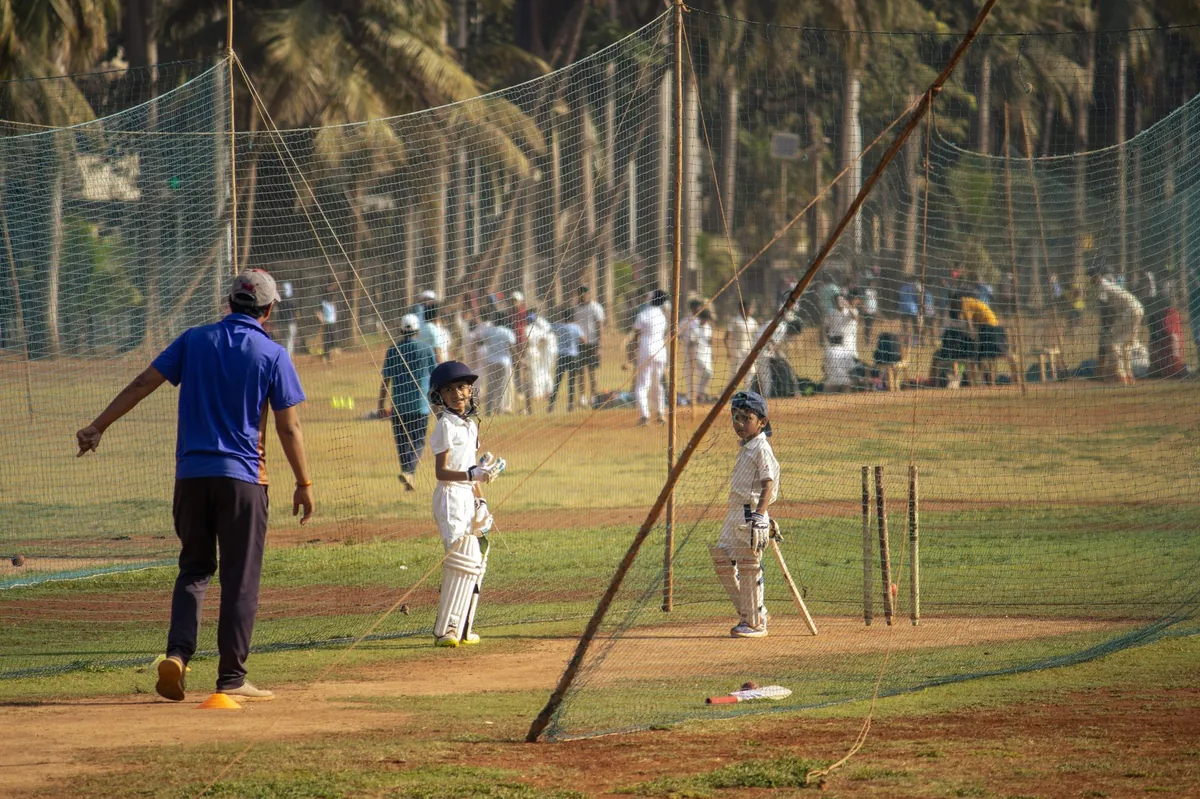
Why Protein Matters for Young Cricketers
Cricket demands a blend of endurance, strength, and quick recovery. Protein is the building block for muscle repair, immune function, and sustained energy. For players aged 12‑18, the recommended intake is roughly 1.2‑1.5 g per kilogram of body weight per day. Falling short can lead to slower recovery after long net sessions, reduced batting power, and a higher risk of injuries.
Common Nutritional Pitfalls for Vegetarian Players
Even with a vegetarian lifestyle, many families unintentionally miss out on quality protein. Typical pitfalls include:
- Relying heavily on rice and roti without pairing them with legumes.
- Choosing processed snacks (e.g., namkeens, fried pakoras) that are high in calories but low in protein.
- Skipping breakfast because of time constraints, leading to a protein‑poor start to the day.
- Over‑reliance on dairy alone, which may not meet the full amino‑acid profile required for intense training.
These habits can increase fatigue, affect concentration on the field, and raise the cost of medical care later on.
Cost‑Effective High‑Protein Vegetarian Foods
Below is a curated list of Indian vegetarian foods that pack a protein punch while staying wallet‑friendly for families in Lucknow, Uttar Pradesh, and neighboring Bihar.
| Food | Protein (g per 100 g) | Typical Cost (₹/kg) |
|---|---|---|
| Toor dal (pigeon peas) | 22 | 80‑100 |
| Moong dal (split green gram) | 24 | 70‑90 |
| Chana dal | 21 | 70‑95 |
| Paneer (cottage cheese) | 18 | 180‑220 |
| Greek‑style hung curd (chhena) | 17 | 120‑150 |
| Soy chunks (soya nuggets) | 52 | 120‑150 |
| Tempeh (fermented soy) | 19 | 250‑300 |
| Peanuts (raw) | 26 | 150‑180 |
| Almonds | 21 | 500‑600 |
| Quinoa (though not traditionally Indian, now widely available) | 14 | 250‑300 |
All of these items are available in local markets like Hazratganj, Aminabad, and even in bulk at wholesale stores in Kanpur or Varanasi, keeping transportation costs low.
Building a Balanced Plate: Sample Meal Plan for a Training Day
Below is a practical, budget‑aware menu that meets the protein target for a 55 kg adolescent player (≈ 66‑83 g protein). Adjust portions according to actual body weight.
- Pre‑practice (7:00 am): 250 ml of low‑fat milk + 30 g roasted soy chunks mixed into a banana‑spinach smoothie. ≈ 15 g protein
- Breakfast (9:30 am): 2 medium whole‑wheat parathas stuffed with paneer (100 g) + a side of curd. ≈ 20 g protein
- Mid‑morning snack (11:30 am): Handful of peanuts (30 g) + an apple. ≈ 8 g protein
- Lunch (2:00 pm): 1 cup cooked quinoa, 1 cup mixed dal (toor + moong), sautéed seasonal vegetables, and a small bowl of salad. ≈ 22 g protein
- Post‑practice recovery (5:00 pm): 200 ml chocolate milk + 2 boiled eggs (if the family consumes eggs) or 50 g soy nuggets. ≈ 15 g protein
- Dinner (8:00 pm): 2 rotis made from mixed millet flour, 150 g paneer tikka, and a bowl of lentil soup. ≈ 18 g protein
These meals stay under ₹250 per day for a family buying in bulk, and they provide the essential micronutrients (iron, calcium, B‑vitamins) that support growth.
Smart Supplement Choices (When Needed)
Even with a well‑planned diet, some players may fall short during intense tournament weeks. Consider these low‑risk options:
- Plant‑based protein powders (pea or soy) – 1 scoop provides ~20 g protein. Choose unsweetened varieties to avoid extra calories.
- Vitamin B12 tablets – essential for vegans; a weekly 2.4 µg dose is safe.
- Iron‑fortified cereals – especially useful for girls who are prone to iron deficiency.
Always consult a qualified nutritionist or a sports doctor before introducing any supplement. Remember, supplements complement, not replace, whole foods.
Budget‑Friendly Shopping Tips for Parents in Lucknow & UP
Saving money while ensuring high protein intake is possible with a few strategic moves:
- Buy pulses and beans in 25‑kg bags from wholesale markets like Jainagar or Shahganj. The per‑kilogram cost drops dramatically.
- Freeze portioned soy chunks or paneer after bulk cooking; this reduces waste and extends shelf life.
- Visit local farmer’s markets early in the morning for fresh, inexpensive nuts and seeds.
- Use a weekly meal‑prep day (usually Sunday) to cook large batches of dal, quinoa, and roasted legumes. Store in airtight containers.
- Swap expensive imported quinoa for locally grown millets (like **ragi** or **bajra**) which also provide decent protein and are cheaper.
By planning ahead, a family can keep the monthly grocery bill for a budding cricketer under ₹5,000, even with the added protein requirements.
How Structured Support Can Lighten the Load
Beyond nutrition, consistent coaching, quality equipment, and exposure to competitive matches are critical for progress. For families who find these costs challenging, a structured scholarship can bridge the gap. Lucknow Cricket Scholarship offers selected players access to accredited academies, professional coaching, and nutrition counseling at subsidised rates.
Eligibility typically includes a demonstrable commitment to training, decent academic performance, and a recommendation from a recognized coach or school. Documents such as recent scorecards, school marksheets, and a brief family income statement are usually required. The application process is transparent, and details change each season, so it’s wise to verify the latest criteria on the official website or contact the program directly.
Want to pursue elite coaching but cannot afford regular fees? Call +91 9695934706 to learn how eligible players can apply for the Lucknow Cricket Scholarship and receive financial assistance for training, gear, and even nutrition workshops.
Key Takeaways for Parents and Young Players
- Prioritise a variety of legumes, soy products, dairy, nuts, and millets to hit daily protein goals.
- Plan meals ahead to avoid reliance on cheap, protein‑poor snacks.
- Use bulk buying and weekly prep to keep costs under control.
- Consider modest, vetted supplements only after professional advice.
- Explore scholarship avenues like the Lucknow Cricket Scholarship for holistic development support.
By combining smart nutrition with the right developmental opportunities, young cricketers from Lucknow, UP, and Bihar can stay strong, recover quickly, and keep their focus on the game they love.