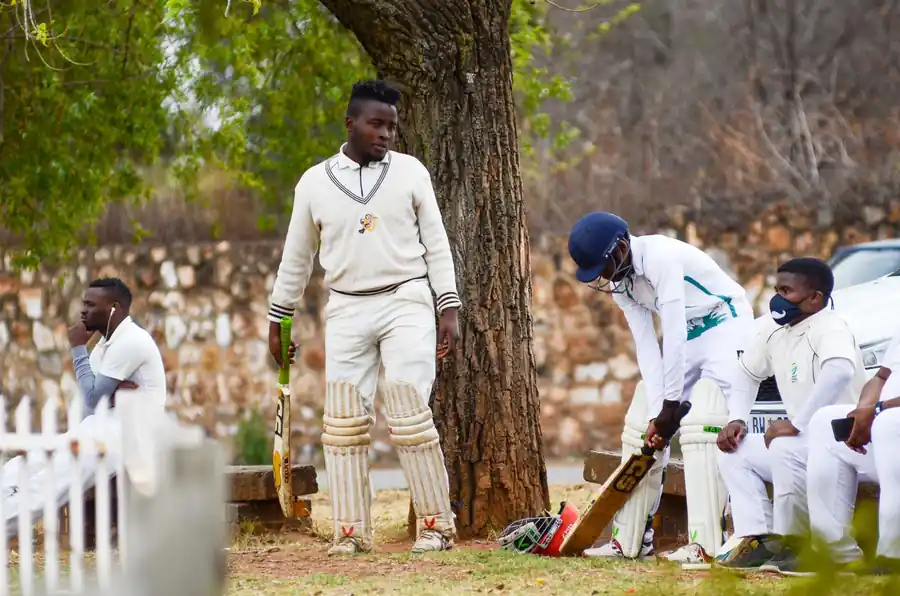
Why Healthy Weight Gain Matters for Young Cricketers
Cricket demands a blend of endurance, power, and speed. A teenager who is under‑weight may struggle with bat speed, bowling stamina, and fielding explosiveness. Gaining lean muscle not only improves performance on the pitch but also reduces the risk of injury during long innings or intense training sessions. The goal is to add quality mass—muscle and functional tissue—while keeping body‑fat levels in check.
Understanding Calorie Needs
Weight gain is fundamentally a matter of calories in versus calories out. For a growing athlete, the baseline is the maintenance calories needed to sustain current weight, plus an additional 300‑500 kcal per day to promote steady, healthy gain. The exact number varies with age, height, activity level, and metabolism. A simple starting point is:
- Weight (kg) × 35‑40 = maintenance calories
- Add 300‑500 kcal for weight‑gain phase
For example, a 16‑year‑old boy from Lucknow weighing 55 kg and training 5‑6 days a week would need roughly 2,000 kcal to maintain weight and about 2,400‑2,500 kcal to gain muscle.
Macronutrient Breakdown
Once total calories are set, distribute them wisely:
- Protein: 1.6‑2.0 g per kg of body weight daily. Protein provides the building blocks for muscle repair and growth.
- Carbohydrates: 4‑6 g per kg. Carbs replenish glycogen stores, fuel long practice sessions, and support recovery.
- Fats: 0.8‑1.0 g per kg. Healthy fats aid hormone production (including testosterone) which is essential for muscle development.
Balancing these macros ensures that the extra calories go toward muscle rather than excess fat.
Top Food Choices for Weight Gain
Young cricketers in Uttar Pradesh and Bihar often have access to a mix of vegetarian and non‑vegetarian foods. Below are nutrient‑dense options that fit a typical Indian kitchen.
Protein‑Rich Foods
- Paneer, low‑fat cottage cheese
- Greek yoghurt or hung curd
- Eggs (boiled, omelette, scrambled)
- Chicken breast, lean mutton
- Lentils, chickpeas, rajma
- Soy chunks, tofu
Complex Carbohydrates
- Whole‑grain roti, brown rice, millets (ragi, bajra)
- Sweet potatoes, regular potatoes
- Oats, poha, upma made with minimal oil
- Seasonal fruits (banana, mango, papaya)
Healthy Fats
- Groundnut oil, mustard oil, olive oil (in moderation)
- Mixed nuts and seeds (almonds, walnuts, flaxseed)
- Avocado (if available) or guava pulp
Combine these foods throughout the day to hit macro targets without feeling overly full.
Sample Daily Meal Plan (≈2,500 kcal)
This plan is a template; adjust portions based on personal calorie calculations.
- Breakfast (7 am): 3 boiled eggs, 2 whole‑grain rotis with paneer bhurji, a glass of milk, and a banana.
- Mid‑Morning Snack (10 am):** Greek yoghurt with a handful of almonds and honey.
- Lunch (1 pm): 1 cup brown rice, 150 g grilled chicken or soy chunks, mixed vegetable curry cooked in mustard oil, and a side salad.
- Pre‑Training Snack (4 pm): Peanut butter sandwich on whole‑grain bread + an apple.
- Post‑Training Recovery (6 pm): Chocolate milk or whey‑protein shake (if tolerated) + a boiled sweet potato.
- Dinner (8 pm): 2 chapatis, dal makhani, a bowl of curd, and sautéed greens.
- Before Bed (10 pm): A glass of warm milk with a pinch of turmeric.
Hydration is equally vital. Aim for 2.5‑3 liters of water daily, and consider an electrolyte drink during long summer sessions.
Training Strategies to Build Lean Muscle
Nutrition fuels growth, but resistance training triggers it. Young cricketers should focus on a **hypertrophy‑oriented program** 3‑4 times a week, complemented by cricket‑specific drills.
Key Principles
- Progressive overload: Gradually increase weight, reps, or volume each week.
- Compound movements: Squats, deadlifts, bench press, overhead press, and rows engage multiple muscle groups and translate well to batting power and bowling speed.
- Repetition range: 8‑12 reps per set for most exercises, 3‑4 sets.
- Rest periods: 60‑90 seconds between sets to keep the workout intense but manageable.
Sample Weekly Strength Routine
- Day 1 – Lower Body: Back squat, lunges, Romanian deadlift, calf raises, core plank series.
- Day 2 – Upper Body Push: Bench press, incline dumbbell press, shoulder press, triceps dips.
- Day 3 – Rest or Light Mobility
- Day 4 – Upper Body Pull: Pull‑ups/lat pull‑downs, bent‑over rows, face pulls, biceps curls.
- Day 5 – Power & Cricket Skills: Medicine‑ball throws, kettlebell swings, sprint intervals, net practice focusing on power shots.
- Day 6 – Full‑Body Conditioning: Circuit of body‑weight squats, push‑ups, burpees, agility ladders.
- Day 7 – Rest
Always begin with a dynamic warm‑up (e.g., jogging, leg swings, arm circles) and finish with static stretching to aid recovery.
Integrating Strength Work with Cricket Skills
Strength sessions should not replace time on the pitch. A balanced weekly schedule might look like:
- 3 days of net practice or match play
- 2‑3 days of gym‑based strength work
- 1 day dedicated to mobility and injury‑prevention drills
Linking the two worlds helps the body adapt to the specific stresses of bowling fast deliveries or generating bat swing speed.
Recovery and Rest
Muscle growth occurs during rest, not while lifting. Young athletes need 8‑10 hours of sleep, plus:
- Post‑workout protein within 30‑45 minutes
- Gentle foam‑rolling or self‑myofascial release
- Active recovery (light jogging, swimming) on off‑days
Skipping rest leads to overtraining, which can stall weight gain and increase injury risk.
Tracking Progress Safely
Measure results every 2‑3 weeks rather than daily. Useful metrics include:
- Body weight (use the same scale, same time of day)
- Body measurements (chest, waist, arms, thighs)
- Strength markers (e.g., squat or bench press weight)
- Performance on the field (batting distance, bowling speed)
If weight gain exceeds 0.5 kg per week consistently, consider trimming calories slightly to avoid excess fat.
Common Mistakes to Avoid
- Relying on junk food calories: Fast‑food meals add calories but lack the protein and micronutrients needed for muscle.
- Skipping meals: Irregular eating disrupts the anabolic window and can cause energy crashes during practice.
- Neglecting technique: Lifting heavy with poor form leads to injury; start with lighter weights and master the movement.
- Ignoring hydration: Dehydration impairs both performance and nutrient transport.
When to Seek Professional Guidance
If a teenager has a medical condition, a history of eating disorders, or is unsure about proper technique, consulting a sports nutritionist or certified strength coach is advisable. Many local academies in Lucknow and surrounding districts offer free initial assessments.
Bridging the Gap: Coaching, Facilities, and Cost
Even with the right diet and home‑gym basics, elite‑level progress often requires access to qualified coaches, well‑maintained nets, and modern strength‑training equipment—resources that can be expensive for families in Uttar Pradesh or Bihar. For talented players who find these costs prohibitive, scholarship programs can make a real difference.
Explore Scholarship‑Supported Training
Want to follow this nutrition and strength roadmap but cannot afford regular coaching or gym membership? Eligible players can apply for the Lucknow Cricket Scholarship. The scheme offers subsidised access to accredited coaches, state‑of‑the‑art facilities, and personalized diet plans. To learn more, call +91 9695934706 and speak with a scholarship coordinator today.
Final Takeaways
Healthy weight gain for young cricketers is a blend of calculated calorie surplus, balanced macronutrients, consistent strength training, and disciplined recovery. By following the food guidelines and workout structure outlined above, a teenager can add lean muscle, boost on‑field power, and stay injury‑free. Remember to monitor progress, adjust as needed, and seek professional advice when required. And if financial barriers stand in the way of top‑tier coaching, the Lucknow Cricket Scholarship provides a viable pathway to keep the dream alive.