Why Money Shouldn’t Be the Deal‑Breaker for Your Cricket Dream
Every year thousands of boys and girls in Uttar Pradesh step onto a dusty school ground and imagine themselves bowling at the Wankhede or smashing a six at the IPL. The reality, however, is that sustained coaching, proper fitness, reliable equipment, and travel for matches can quickly drain a family’s savings. Understanding where money is truly needed and where clever shortcuts work can keep the dream alive while protecting the household budget.
Map the Core Cost Pillars of a Cricket Journey
Before you start hunting for discounts, list the five main expense categories that most aspiring cricketers face:
- Coaching fees – regular group sessions, private skill work, and specialised bowling or batting clinics.
- Fitness & conditioning – gym memberships, personal trainers, or home‑based strength programs.
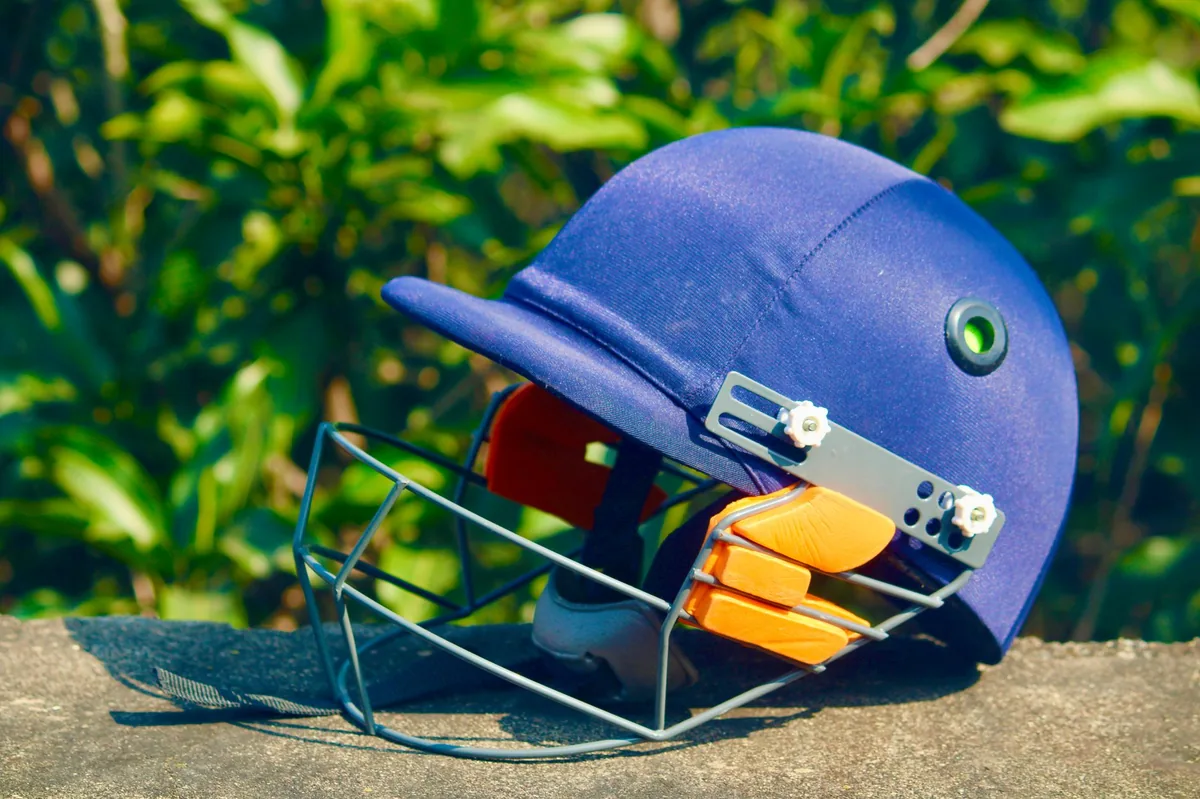
- Equipment – bat, gloves, pads, helmets, shoes, and practice balls.
- Match exposure – registration for district tournaments, travel to away games, and accommodation when required.
- Nutrition & recovery – balanced meals, supplements, and occasional physiotherapy.
By breaking the budget into these pillars, you can target savings, seek alternatives, and allocate funds where they matter most.
Step 1: Leverage Community Coaching Before Paying for Private Academies
Many districts in Uttar Pradesh run free or low‑cost cricket camps under the aegis of the Uttar Pradesh Cricket Association (UPCA). These camps are often held at government schools or local stadiums and are staffed by certified coaches who also scout talent for state‑level squads.
Action points:
- Visit your nearest district cricket office (e.g., Lucknow, Kanpur, Varanasi) and ask for the schedule of upcoming free camps.
- Register early – spots fill up quickly, especially before the monsoon season when outdoor practice resumes.
- Maintain a simple performance log (runs, wickets, fitness tests) to show progress when the next selection round arrives.
These community programs give you structured training without the ₹5,000‑₹10,000 per month price tag of private academies.
Step 2: Build a Home‑Gym on a Budget
Strength and conditioning are non‑negotiable for any player who wants to survive the rigours of domestic cricket. You don’t need a pricey gym membership; a few pieces of equipment and body‑weight routines can do the job.
Essential low‑cost gear
- Resistance bands – ₹300‑₹500 each, versatile for pull‑ups, squats, and shoulder work.
- Adjustable dumbbells – start with 2–5 kg sets; you can increase weight as you progress.
- Jump rope – under ₹200, excellent for cardio and foot‑speed drills.
Free online resources
Platforms like YouTube have Indian coaches who specialise in cricket‑specific conditioning. Subscribe to channels that focus on core stability, sprint mechanics, and injury‑prevention drills. Create a 45‑minute routine that you repeat 4‑5 times a week – consistency beats expensive occasional sessions.
Step 3: Smart Equipment Choices – Quality Over Brand
Buying the newest bat from a premium brand can cost upwards of ₹15,000. Instead, follow these guidelines:
- Choose a mid‑range bat (₹5,000‑₹7,000) with a good willow grade – the “Grade 1” label is often a marketing term; focus on weight, balance, and pickup.
- Buy protective gear during off‑season sales or from local sports stores that offer bulk discounts for schools.
- Consider second‑hand equipment in good condition – many clubs sell gently used gear when players upgrade.
Always inspect for cracks, especially on helmets and pads. Safety should never be compromised.
Step 4: Maximise Match Exposure Without Breaking the Bank
Playing competitive matches is the fastest way to get noticed by selectors. Here’s how to stretch each rupee:
- District leagues – Register for the local league; fees are usually modest (₹500‑₹1,000 per season).
- Club partnerships – Some clubs in Lucknow and Allahabad have tie‑ups with schools, allowing players to share transport costs.
- Host a “home series” – Invite nearby schools or clubs to play on your ground. You can split the cost of the pitch and refreshments, and the matches count as official fixtures when reported to the district board.
When travel is unavoidable, organise car‑pools with teammates. The shared fuel expense can be as low as ₹150 per person for a 100 km round‑trip.
Step 5: Nutrition on a Student Budget
High‑protein diets don’t have to rely on costly whey powders. Indian staples can provide the same macro‑nutrients:
- Boiled eggs (₹6 each) – excellent source of protein and healthy fats.
- Moong dal and chickpea curry – cheap, protein‑rich, and easy to prepare in bulk.
- Seasonal fruits like banana, mango, or guava – natural carbs for quick energy.
Plan meals around training days: a carbohydrate‑rich breakfast (poha, upma), a protein‑focused lunch (dal‑rice), and a light snack (fruit + nuts) before evening practice.
Step 6: Seek Financial Assistance – Lucknow Cricket Scholarship
Even with frugal strategies, a family may still find it hard to afford regular coaching or travel for state‑level trials. The Lucknow Cricket Scholarship is designed for talented players from Uttar Pradesh who demonstrate financial need.
Eligibility typically includes:
- Proof of residence in UP (ration card, Aadhaar).
- Recent performance records (scorecards, bowling figures) from district or club matches.
- Family income proof (income certificate, tax returns).
- Recommendation from a certified coach or school sports teacher.
The scholarship can cover coaching fees, equipment, and travel allowances for up to two years. It does not guarantee selection for any team, but it removes the biggest financial barrier.
Want to pursue this pathway but cannot afford regular coaching? Eligible players can apply for Lucknow Cricket Scholarship by visiting the official UPCA website or contacting the district office. For personalized guidance, call +91 9695934706.
Step 7: Build a Performance Portfolio That Stands Out
Scouts look for consistency, not just occasional brilliance. Keep a simple digital record:
- Match date, venue, and opponent.
- Batting – runs, strike rate, boundaries.
- Bowling – overs, maidens, runs conceded, wickets, economy.
- Fielding – catches, run‑outs.
- Fitness – beep‑test score, sprint time, any injuries.
Use a free spreadsheet app (Google Sheets) and back‑up the file on cloud storage. When you attend a trial, you can quickly share a PDF summary with selectors.
Step 8: Understand the Realistic Pathway to the IPL
The IPL is the pinnacle, but the journey usually follows a step‑wise ladder:
- District & State Representation – Perform consistently in UP’s district leagues to earn a spot in the state squad.
- Domestic Cricket (Ranji, Vijay Hazare, Syed Mushtaq) – State teams compete nationally; strong performances attract IPL scouts.
- IPL Auction – Players are listed by agents; franchises bid based on statistics, age, and potential.
No scholarship or academy can promise a direct entry into the IPL. The key is to keep improving, stay visible, and maintain a professional attitude.
Step 9: Mental Resilience – The Unsung Currency
Financial constraints can create pressure, but mental strength often separates a good player from a great one. Adopt these habits:
- Set short‑term goals (e.g., improve bowling line‑length by 10% in 4 weeks).
- Practice mindfulness or simple breathing exercises before matches to control nerves.
- Find a mentor – a senior player or coach who can offer perspective without charging fees.
Remember, every setback (a missed selection, an injury) is a data point, not a verdict.
Step 10: Keep Updating Your Plan Every Season
Cricket calendars shift, scholarship criteria evolve, and new coaching camps appear. At the end of each season, review:
- What worked – e.g., a particular drill that improved your batting average.
- What didn’t – e.g., an equipment purchase that didn’t add value.
- Financial gaps – identify any upcoming fees and explore whether a scholarship or a local sponsor can fill them.
By treating your career as a project with milestones, you stay proactive rather than reactive.
Final Checklist for the Budget‑Savvy Cricketer
- Enroll in free district coaching camps.
- Set up a home‑gym with resistance bands and dumbbells.
- Buy mid‑range, high‑quality equipment during sales.
- Maximise match exposure through district leagues and club partnerships.
- Follow an affordable, protein‑rich Indian diet.
- Apply for Lucknow Cricket Scholarship if you meet the criteria.
- Maintain a detailed performance portfolio.
- Understand the step‑wise path to domestic cricket and then to the IPL.
- Develop mental resilience and a season‑by‑season review habit.
With disciplined budgeting, strategic use of free resources, and the right financial support, a limited family income does not have to halt your cricket aspirations. Keep the focus on consistent improvement, and the opportunities will follow.