Why a Structured Weekly Plan Works for Young Cricketers
For students juggling studies, exams, and matches, an ad‑hoc approach to practice often leads to plateaus or injuries. A weekly cricket training plan gives you a clear roadmap, balances skill work with recovery, and ensures that every session builds on the last. Whether you play for a school team in Lucknow, a college side in Kanpur, or a district squad in Uttar Pradesh, consistency is the key to turning raw talent into match‑winning performance.
How to Build Your Weekly Cycle
Start by mapping out your academic commitments – classes, labs, and study time – then slot training around them. The ideal plan includes:
- Three dedicated skill days (batting, bowling, fielding)
- Two fitness sessions focusing on strength, agility, and endurance
- One mental‑prep or video‑analysis day
- One complete rest day for recovery
Below is a day‑by‑day template that you can tweak based on your school timetable, college lectures, or travel schedule.
Day‑by‑Day Breakdown
Monday – Batting Fundamentals + Light Conditioning
Goal: Reinforce technique and develop a repeatable pre‑shot routine.
- Warm‑up (10 min): Dynamic stretches – leg swings, arm circles, high‑knees.
- Technical drill (30 min): Shadow batting in front of a mirror or video camera. Focus on foot placement, head stillness, and back‑lift.
- Net session (45 min): Use a tee for front‑foot defence, then progress to soft‑ball deliveries. Aim for 6‑8 balls per over, concentrating on a single shot (e.g., cover drive).
- Conditioning (15 min): Core circuit – planks, Russian twists, and medicine‑ball throws.
- Cool‑down (5 min): Static stretching, especially hamstrings and lower back.
Tuesday – Bowling Mechanics + Speed Work
Goal: Refine action, improve line‑and‑length consistency, and add a few kilometres per hour.
- Warm‑up (10 min): Light jog + mobility drills for shoulders and hips.
- Bowling drill (30 min): Target lane drill – place cones at 6‑meter intervals on the pitch and aim to land the ball within each zone.
- Net session (45 min): Bowl 6‑over spells at a set pace, focusing on repeatable release point. Record one over on video for later analysis.
- Speed work (15 min): Sprint intervals – 6 × 30 m with 30‑second rest, focusing on explosive push‑off.
- Cool‑down (5 min): Shoulder rolls and deep breathing.
Wednesday – Fielding & Agility + Recovery
Goal: Sharpen reflexes, improve catching technique, and keep the body fresh.
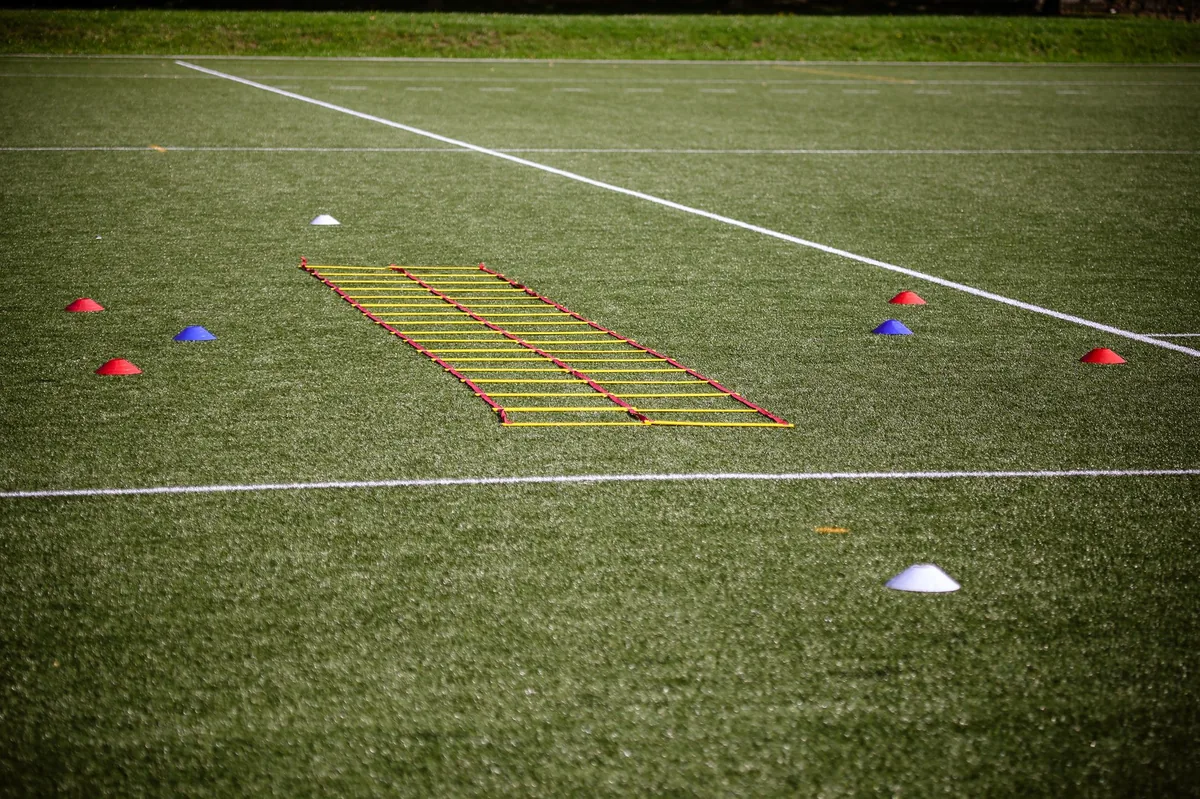
- Warm‑up (10 min): Ladder drills – in‑and‑out, lateral shuffle.
- Fielding circuit (30 min): Split into three stations:
- High‑catch practice – use a soft ball, focus on soft hands.
- Ground‑fielding – rolling the ball straight to the stumps, work on foot‑pivots.
- Throwing accuracy – target a set of stumps from 15 m.
- Agility drill (15 min): Cone‑shuttle runs – 5‑10‑5 pattern to mimic quick singles.
- Recovery (20 min): Foam‑rolling and a brief yoga flow for hips and shoulders.
Thursday – Power & Strength Session
Goal: Build the muscle foundation for faster bowling, harder hitting, and injury resistance.
- Warm‑up (10 min): Jump rope + dynamic stretches.
- Strength circuit (45 min):
- Squats – 3 × 10 (bodyweight or light bar)
- Dead‑lifts – 3 × 8 (moderate load)
- Bench press – 3 × 8
- Pull‑ups – 3 × max reps
- Medicine‑ball slams – 3 × 12
- Core finisher (10 min): Bicycle crunches, leg raises, and side planks.
- Cool‑down (5 min): Stretch quadriceps, calves, and chest.
Friday – Match‑Simulation & Video Review
Goal: Apply the week’s work in a game‑like environment and identify areas for improvement.
- Warm‑up (10 min): Light jog + dynamic mobility.
- Mini‑match (60 min): 20‑over game with teammates, rotating roles (bat, bowl, field). Keep score to simulate pressure.
- Video analysis (20 min): Review one over of batting and one over of bowling. Note foot‑placement, balance, and follow‑through.
- Cool‑down (10 min): Gentle stretching and breathing exercises.
Saturday – Rest or Light Activity
Rest is as important as training. Use this day for:
- Light swimming or a relaxed bike ride (30‑45 min) to keep blood flowing.
- Nutrition planning – prepare protein‑rich meals for the week ahead.
- Mental preparation – visualization of upcoming matches, reading cricket strategy books, or listening to podcasts.
Sunday – Free Play & Fun
Enjoy the game without pressure. Play a street match, hit a few drives in the park, or engage in a friendly bowling contest with friends. This keeps the love for cricket alive and prevents burnout.
Adapting the Plan for School vs College Schedules
School players often have a tighter morning routine and may travel home for evening practice, while college athletes might have longer daylight hours but heavier academic loads. Here are quick tweaks:
- School: Shift the heavy strength session to Saturday morning when you have fewer classes. Keep weekday sessions under 90 minutes.
- College: Combine the Friday video review with a study break. Use campus gym facilities for strength work to save travel time.
Regardless of the level, the core principle stays the same – regular, purposeful practice beats occasional marathon sessions.
Tracking Progress: Simple Metrics Every Young Cricketer Should Record
- Batting: Average runs per 10‑ball set and percentage of balls hit to the intended area.
- Bowling: Line‑and‑length consistency score (e.g., number of balls landing inside the target zone) and average speed (use a speed gun if available).
- Fielding: Catches taken per session and throwing accuracy percentage.
- Fitness: Time for 2‑km run, maximum push‑ups, and core endurance (plank hold).
Log these numbers in a notebook or a simple spreadsheet. Review them every month to spot trends and adjust your weekly focus.
Nutrition & Recovery Tips for Young Players
Even the best training plan stalls without proper fuel.
- Pre‑practice snack: A banana with a handful of almonds (quick carbs + healthy fats).
- Post‑session meal: Grilled chicken or paneer, brown rice, and mixed vegetables within 30 minutes of finishing.
- Hydration: Aim for 2‑3 litres of water daily; add a pinch of salt and lemon after intense sessions.
- Sleep: 8‑9 hours of quality sleep is non‑negotiable for growth and muscle repair.
When Quality Coaching and Facilities Feel Out of Reach
Implementing the above plan requires a decent ground, a bat, a ball, and preferably a qualified coach to correct technique. For many families in Lucknow, Uttar Pradesh, or neighboring Bihar, regular academy fees, travel, and equipment costs can be a barrier.
If you find yourself stuck at the “want‑to‑train‑but‑can’t‑afford‑it” stage, consider exploring scholarship‑supported pathways. Eligible players can apply for the Lucknow Cricket Scholarship, which offers access to professional coaching, well‑maintained nets, and fitness facilities at a reduced or zero cost. This can bridge the gap between ambition and opportunity, allowing you to follow the weekly plan without financial stress.
Take the Next Step
Start by drafting your own weekly schedule using the template above. Record your metrics, stick to the routine for at least six weeks, and evaluate the results. If you hit a plateau or need a higher‑level environment, reach out to the scholarship programme. A simple phone call can open doors to structured coaching, hostel accommodation, and a community of like‑minded players.
Call +91 9695934706 today to learn more about eligibility, required documents, and the application timeline. Investing a little time now in a solid training plan, coupled with the right support, can set you on a clear path toward district selection, state representation, and beyond.